Quick answer
The short version
Geoffrey Bawa was Sri Lanka’s most celebrated architect and a pioneer of tropical modernism, and travellers can experience his work, alongside ancient, Dutch, Portuguese and British architecture, on a planned journey across the island. From the dagobas of Anuradhapura to the ramparts of Galle Fort and the verandas of Bawa’s own houses, Sri Lanka is a country you can read through its buildings.
Key takeaways
- Sri Lanka’s architecture spans ancient, colonial and modern eras, each leaving a distinct style across the island.
- Geoffrey Bawa, Sri Lanka’s best known architect, pioneered tropical modernism and shaped how the tropical resort is imagined worldwide.
- Several Bawa linked places, including Lunuganga and Heritance Kandalama, can be visited or stayed in, with access confirmed in advance.
- Galle Fort, Colombo Fort and the hill country bungalows carry the Dutch, Portuguese and British colonial layers.
- An 8 to 10 day journey can move from ancient cities to colonial forts to modern design stays in one route.
- Opening hours, access rules and whether a property operates as a hotel change, so every visit is confirmed during planning.
Table of contents
A Country You Can Read Through Its Buildings
Sri Lanka is a country you can read through its buildings. White dagobas rise from the ancient cities of the dry zone, a Dutch fort faces the sea at Galle, tea planters’ bungalows sit cool and shaded in the hills, and modern houses open into gardens as if the wall between inside and outside had quietly dissolved. Each layer of history left a style behind, and travelling between them is a journey through time as much as through space.
What makes this remarkable is how close these layers sit. In a single route you can stand beneath an ancient stupa, walk a colonial rampart, sleep in a converted planter’s bungalow, and dine on a veranda designed by Geoffrey Bawa, Sri Lanka’s most celebrated architect. Few places pack so many architectural chapters into so compact an island, and fewer still let you stay inside the story rather than simply look at it.
This guide walks through the island’s architecture across ancient, colonial and modern eras, gives Bawa and tropical modernism a central place, and shows how to experience it through stays, visits and a planned journey. For a wider sense of how the island fits together as a trip, our Sri Lanka travel itineraries guide is a good companion.
Ancient Sri Lanka: Sacred and Engineered
Ancient Sri Lanka’s architecture is sacred and engineered in equal measure. The great dagobas, or stupas, of Anuradhapura and Polonnaruwa are among the largest brick structures of the ancient world, smooth white domes that still dominate their cities and draw pilgrims today. They were built to hold relics and to be walked around, and their scale speaks of a civilisation that thought in centuries.
Sigiriya’s rock fortress, a palace built atop a towering column of rock, is noted for the ambition of its planning, with water gardens, moats and terraced approaches laid out at its base. The cave temples of Dambulla hold centuries of Buddhist murals and statues tucked beneath a great overhang of rock. And running through all of it is the ancient irrigation system, a network of vast tanks and canals that turned the dry zone into fertile land and remains a feat of engineering. We keep descriptions factual and short here, with no invented dates or measurements, and you can read more in our Serendib and Cultural Triangle guide.
Portuguese, Dutch and British Layers
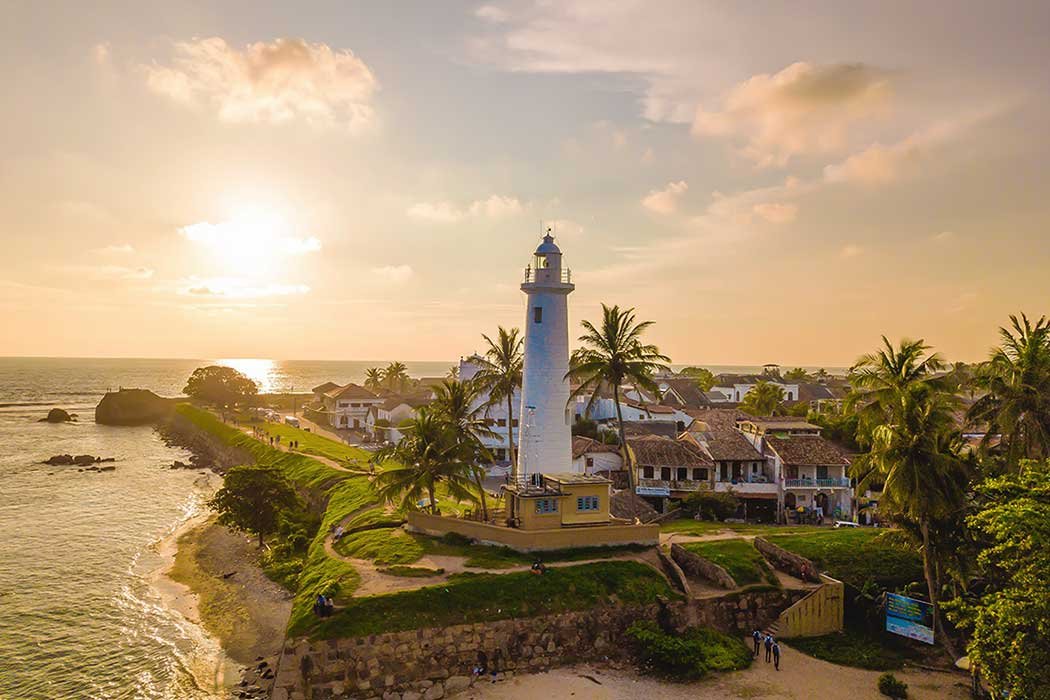
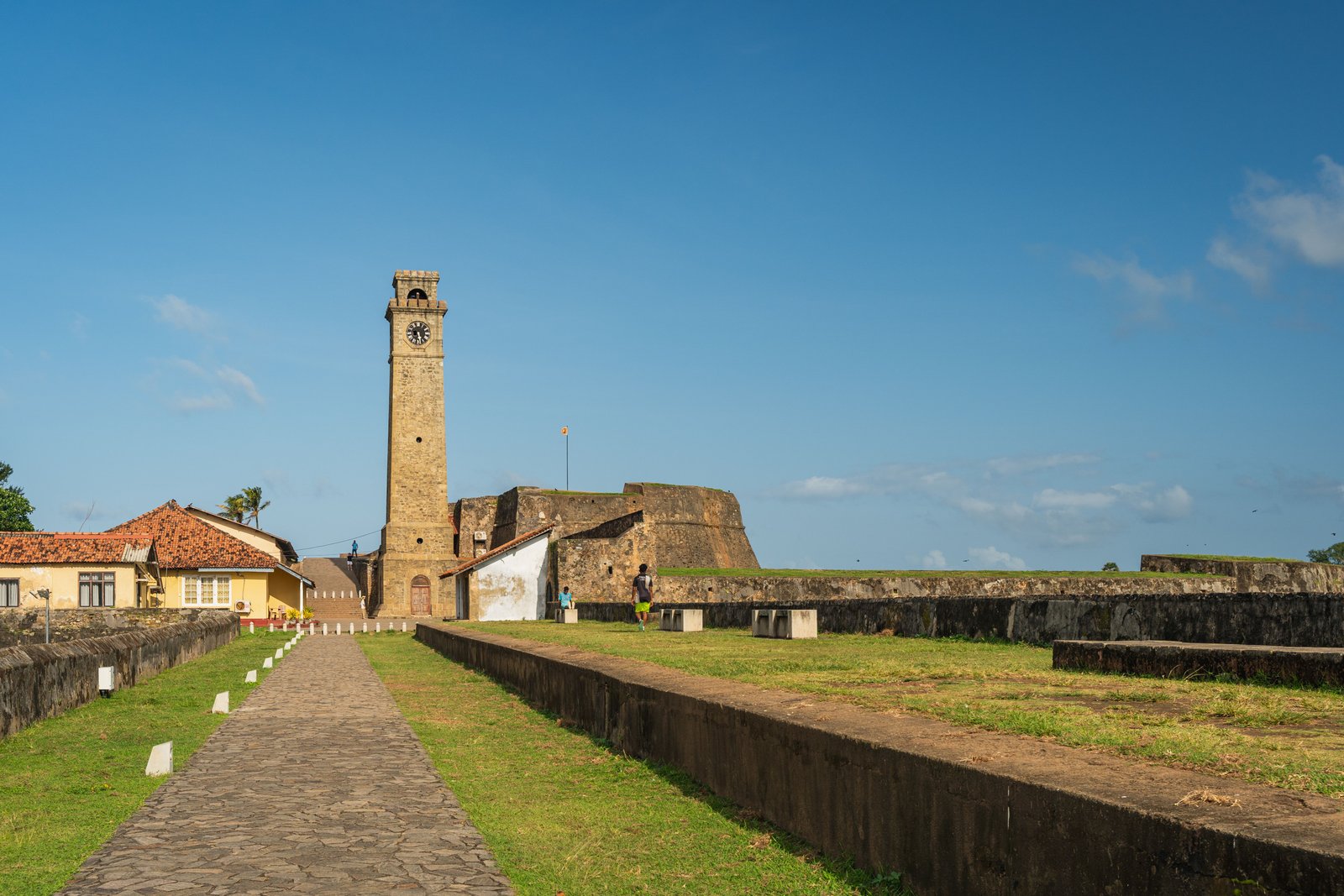
The colonial era left its own architecture, and Sri Lanka carries Portuguese, Dutch and British layers in turn. Galle Fort is the standout, a fortified old town of Dutch and earlier Portuguese origins that is a UNESCO World Heritage Site, with ramparts, churches, a historic mosque and merchant houses all within walkable streets. It is one of the best preserved colonial sea forts in Asia, and you can read its official listing on the UNESCO World Heritage page for the Old Town of Galle.
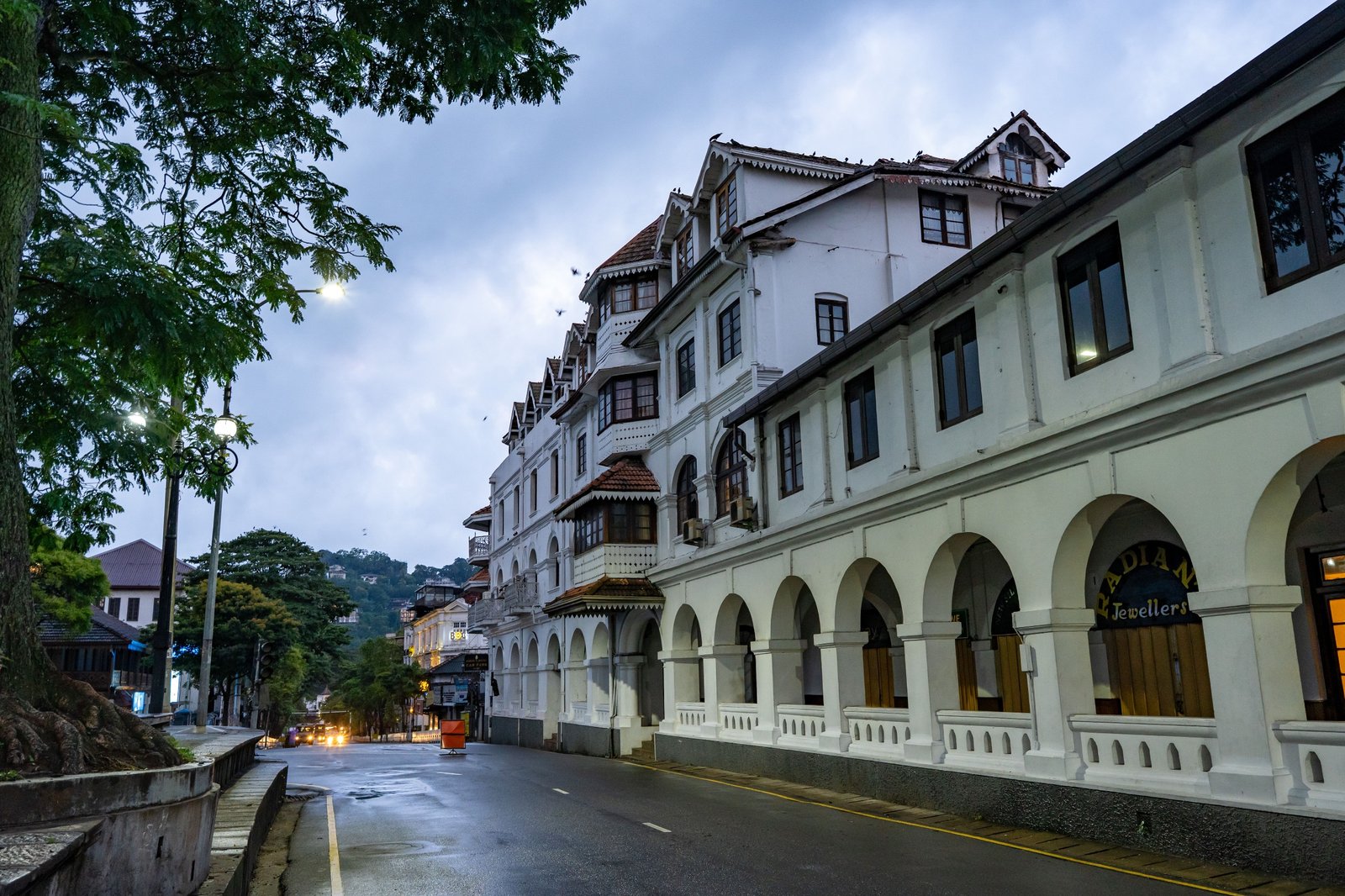
Colombo Fort holds the colonial era streets of the capital, where grand facades from the British period sit beside older commercial buildings. In the hill country, the colonial style turns domestic, with tea estate bungalows and the Tudor and Edwardian influenced buildings of Nuwara Eliya, a town that still feels like a slice of England set in the tropics. The colonial era railways and bridges that climb into the hills are part of this layer too, and our Sri Lanka train rides guide covers how to ride them. We present this history evenly and respectfully, as one chapter among many, without glorifying or sensationalising it.
Kandy and the Royal Heritage
Kandy was the last royal capital of the Sinhalese kings, and its architecture carries that weight. The Temple of the Tooth, which holds a relic believed to be a tooth of the Buddha, is the city’s sacred heart, set beside a quiet lake and framed by forested hills. The buildings here are lower and more intimate than the great dagobas of the dry zone, with carved wooden roofs, white walls and shrines that still draw worshippers and processions. It is a warm, living place, and a fitting bridge between the ancient royal past and the colonial era that followed.
Geoffrey Bawa and Tropical Modernism
Geoffrey Bawa is the centrepiece of any Sri Lankan architecture story. Bawa, who lived from 1919 to 2003, was Sri Lanka’s best known architect, and he trained as a lawyer before turning to architecture later in life. That unusual path shaped his work, which reads as thoughtful, observant and deeply rooted in place rather than driven by doctrine.
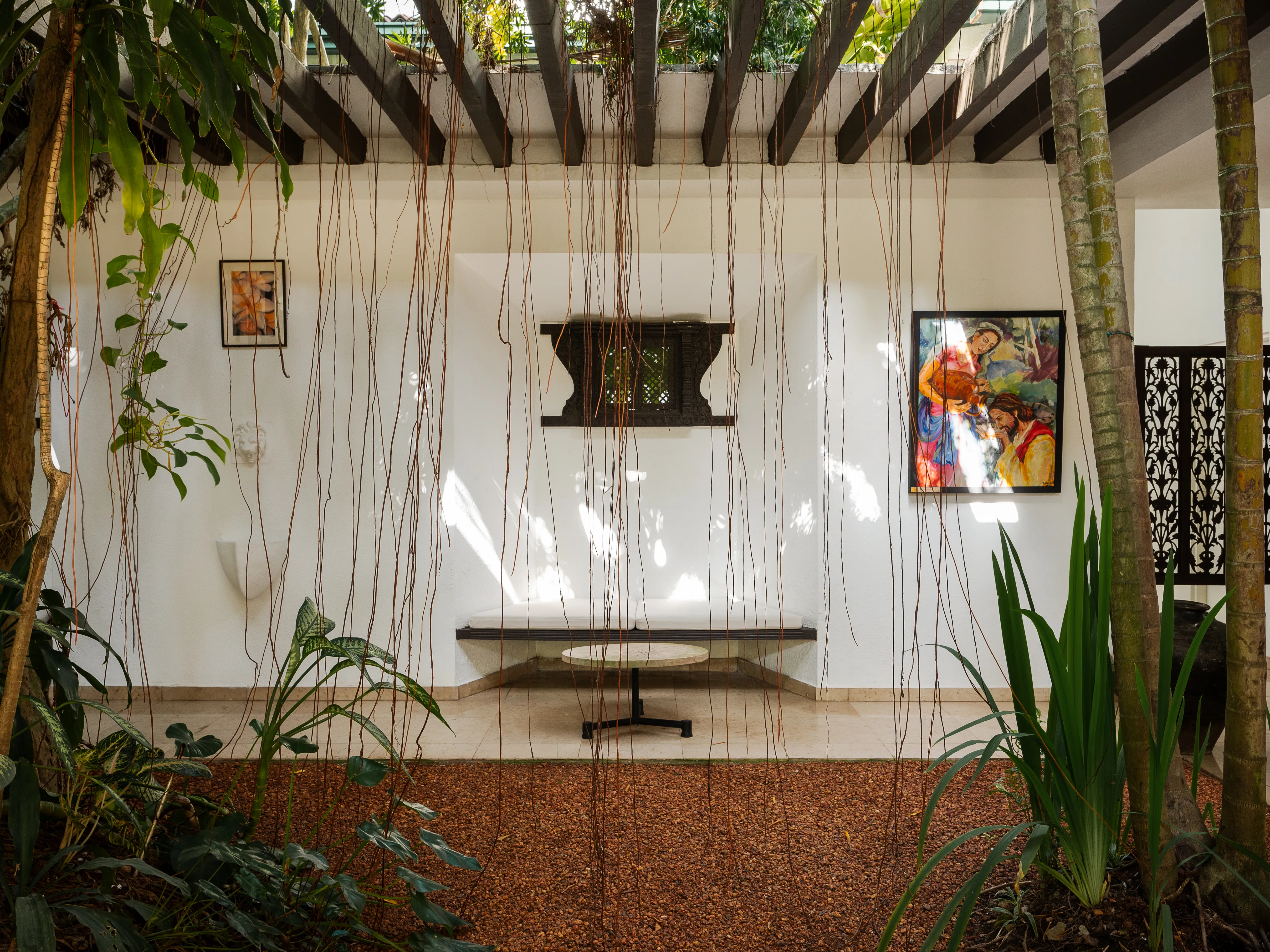
He became associated with tropical modernism, a style that blends modern design with the climate and landscape of warm regions. In a Bawa building you find deep verandas, open courtyards, water, shade and views that dissolve the line between inside and outside. The architecture does not fight the heat, it works with it, drawing breeze through shaded corridors and framing the garden as if it were a room. His influence spread across Asia and shaped how resorts in warm climates are designed, and he is widely credited with helping define how the world imagines the tropical resort.
We keep biographical details to what is well established and avoid invented anecdotes or quotes. Every date and claim here should be verified against reliable sources, and the Geoffrey Bawa Trust is the authoritative reference for his life and work.
Bawa Places You Can Visit or Stay In
Several Bawa linked places can be visited or stayed in, and the table below covers those that are real and accessible. We list only places whose existence and general access can be confirmed, and we keep the notes honest, because opening hours, access rules and whether a property is currently operating as a hotel can change.
| Place | Location | What it is | How to experience it | Notes on access |
|---|---|---|---|---|
| Lunuganga | Near Bentota | Bawa’s own country estate and garden | Arrange a visit through the Geoffrey Bawa Trust | Tour times and access rules change, confirm in advance |
| Heritance Kandalama | Near Dambulla | A hotel often cited as architecture that follows the landscape | Stay as a guest or visit with prior arrangement | Operates as a hotel, room availability varies |
| The Lighthouse Hotel | Galle | A Bawa design associated with the Galle coast | Stay as a guest or visit the public areas | Confirm current operation and access before travelling |
| Bawa’s Colombo house | Colombo | His town residence, now linked to the Trust | Visit through the Geoffrey Bawa Trust | Access is limited and arranged in advance |
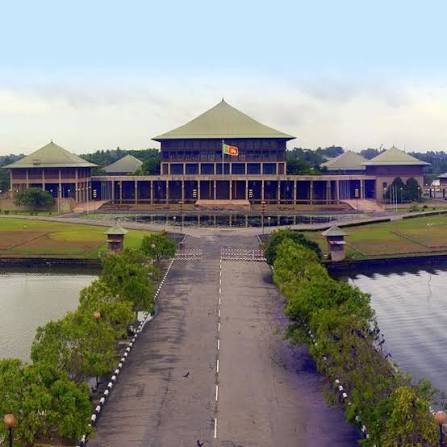
| Sri Lanka Parliament complex | Sri Jayawardenepura Kotte | A landmark public building widely linked to his work | View from the surroundings, with official access limited | Public access is restricted, check current rules |
A clear note: opening hours, access rules and whether a property is currently operating as a hotel can change, so every visit is confirmed during planning. We do not invent room prices, tour schedules or ticket details.
How Bawa’s Work Shaped Sri Lankan Tourism and Luxury
Bawa’s influence reaches well beyond individual buildings. He is widely credited with shaping a way of designing for the tropics in which the resort responds to climate and landscape rather than fighting it, with deep shade, moving air and framed views doing the work that air conditioning alone cannot. The idea that the building is part of the experience, not just a place to sleep, runs through his work and through the hospitality it inspired.
This helped make design led stays a reason to travel in their own right, which in turn shaped Sri Lanka’s reputation for boutique and design focused hospitality. The link between heritage, craft and modern luxury is visible in the villas, tea bungalows and restored heritage houses that are now sought after by travellers who care about where they stay as much as what they see. We use soft wording here, such as widely credited and often cited, and avoid claims about market share, awards or statistics that cannot be verified.
Luxury Through Design: Stays Worth Travelling For
Sri Lanka’s design led stays span a wide range, and that range is part of the pleasure. There are modern design hotels that follow the tropical modernist tradition, restored heritage villas inside Galle Fort, tea estate bungalows in the hills, boutique stays in the Cultural Triangle, and quiet modern retreats that open into gardens. What ties them together is the sense that the architecture is part of the experience.
Sri Lanka’s value for money in luxury is a real strength here, because the calibre of design and service you receive is high relative to the price. For a fuller case on why that matters, read our affordable luxury guide. We do not name prices, because the right stay depends on your dates, season and style, and we confirm everything with you directly.

A Sample Architecture and Heritage Journey
Here is a sample 8 to 10 day architecture and heritage journey that weaves ancient, colonial and modern layers into one route. It moves from Colombo and Bentota to Galle Fort, the Cultural Triangle, Kandy and the tea country, with a scenic train leg through the hills. It is an example only, and The SL Planner customises every journey to your interests, season and pace.
| Day | Base | What to see | The design highlight |
|---|---|---|---|
| Day 1 | Colombo | Colonial streets of Colombo Fort and the Geoffrey Bawa Trust | Colonial era facades and Bawa’s legacy in the capital |
| Days 2 to 3 | Bentota | Lunuganga estate and garden, and the south coast | Bawa’s own country garden and tropical modernist verandas |
| Days 4 to 5 | Galle Fort | Ramparts, churches, mosques and merchant houses | A walkable Dutch and Portuguese fortified old town |
| Days 6 to 7 | Cultural Triangle (near Dambulla) | Sigiriya, Dambulla caves and a stay at a design led hotel | Ancient rock fortress, cave temples and a Bawa linked hotel |
| Day 8 | Kandy | Temple of the Tooth and the lake | The last royal capital and its sacred architecture |
| Days 9 to 10 | Tea country (Nuwara Eliya or Ella) | Tea estate bungalows and a scenic train leg | Colonial bungalows and a rail journey through the hills |
This is a sample only. The SL Planner shapes every architecture journey to your group, dates and the season for each region.
How to Plan an Architecture Trip Well
A good architecture trip needs a little planning, because the best places are spread across the island and some need advance arrangements. Here are the steps we follow.
Decide which eras and places excite you most
Choose whether ancient, colonial or modern architecture matters most to you, and pick the regions that hold those layers.
Check opening hours and access rules in advance
Some places, including Bawa linked sites, need advance booking, so confirm access before you finalise the route.
Sequence your route to reduce long drives
Order stops so you move in one direction through the island, avoiding backtracking that eats into your days.
Pair visits with the right season and coast
Match each region to its best season, so weather works with your architecture visits and stays.
Choose a mix of design led stays and heritage visits
Balance nights in design led and heritage properties with days spent exploring ancient and colonial sites.
Add a guide where deeper context helps
Bring in a knowledgeable local guide for the Cultural Triangle and Bawa linked sites where context adds the most.
For help matching regions to the season, our 365 day Sri Lanka guide shows which coast is best in each month, and our slow travel guide shows how to linger in the places that reward it.
How The SL Planner Builds Your Architecture Journey
An architecture trip needs careful planning to feel effortless, because the best buildings and stays are spread across the island and some need access arranged in advance. Here is what we do to make it work.
A route designed around design and history
Stops sequenced for your interests and pace, so ancient, colonial and modern architecture flow into one journey.
Handpicked design led stays
Heritage villas, boutique hotels and tea bungalows matched to your style, chosen for their architecture and sense of place.
Access arranged for you
Visits to places that need advance arrangements, confirmed before you travel so nothing is left to chance.
Knowledgeable local guides
Context that brings buildings and history to life, in your language where possible.
Private drivers and relaxed transfers
Comfortable vehicles and vetted drivers for unhurried drives between sites and stays.
Scenic train bookings
Seats reserved on routes that double as architecture and landscape tours through the hill country.
Season smart planning
The right coast and region for your dates, so weather works with your route.
Halal friendly, vegetarian and family friendly planning
Dining and privacy needs considered at every stop, built into the route from the start.
One point of contact and trip support
One team to message throughout the trip, for questions, changes and quiet help when you need it.
What Our Travellers Say
Travellers tell us the little details are what made their trip. This is a message we received after a journey, shared here with permission and without editing.
“Meticulously planning every moment” Mert, Turkey
I would like to express my sincere gratitude to Nashath and his team. For meticulously planning every moment of what could be considered a long vacation, for staying in touch throughout the trip, and for being available whenever we had a question. I would also like to thank him for introducing us to our reliable driver. In summary, Nashath and his company, whom I met on Instagram and wrote to, played a huge role in making our vacation unforgettable. We are so glad you are there.
Planning a journey like Mert’s? Tell us your dates and we will build your architecture and heritage trip.
Frequently Asked Questions
Who was Geoffrey Bawa?
Geoffrey Bawa (1919 to 2003) was Sri Lanka’s best known architect. He trained as a lawyer before turning to architecture later in life, and became associated with tropical modernism, a style that blends modern design with the climate and landscape of warm regions. His influence spread across Asia and shaped how resorts in the tropics are designed.
What is tropical modernism?
Tropical modernism is an approach to architecture that adapts modern design to warm climates, using deep verandas, open courtyards, water, shade and framed views to dissolve the line between inside and outside. Bawa is widely credited as one of its pioneers, and his work helped define how the tropical resort is imagined around the world.
Can I visit Lunuganga?
Lunuganga, Bawa’s country estate and garden near Bentota, can be visited, and arrangements are made through the Geoffrey Bawa Trust. Opening hours, tour times and access rules change, so every visit is confirmed during planning rather than assumed.
Is Heritance Kandalama a Geoffrey Bawa hotel?
Yes. Heritance Kandalama, near Dambulla, is a Geoffrey Bawa design often cited as an example of architecture that follows the contours of the landscape, with the building set into the hillside and wrapped in greenery. It operates as a hotel, but room availability and access to specific areas should be confirmed before you travel.
What is the best place in Sri Lanka to see colonial architecture?
Galle Fort is the standout, a UNESCO World Heritage Site of Dutch and earlier origins with ramparts, churches, mosques and merchant houses. Colombo Fort and the hill country around Nuwara Eliya, with its tea estate bungalows and Tudor and Edwardian influenced buildings, add further colonial layers.
How many days do I need for an architecture trip?
A comfortable architecture and heritage journey takes about 8 to 10 days, which lets you move from Colombo and Bentota to Galle Fort, the Cultural Triangle, Kandy and the tea country without rushing. With fewer days, focus on two regions, such as the south coast and the Cultural Triangle.
Can The SL Planner arrange a Bawa focused itinerary?
Yes. The SL Planner builds bespoke architecture and heritage journeys around your dates and interests, including visits to Bawa linked places where access can be arranged, design led stays and private guides. Access rules vary, so every visit is confirmed during planning.
Plan Your Architecture and Heritage Journey
The best way to understand Sri Lanka is to walk through its buildings and sit in its shade. From the white dome of an ancient dagoba to the cool veranda of a tropical modernist house, the island tells its story in the spaces it has built, and that story is best read slowly, on foot, with time to look up.
The SL Planner builds bespoke, halal friendly architecture and heritage journeys around your dates, pace and interests, with private drivers, design led stays, access arrangements and knowledgeable local guides. Contact us or use the buttons below to start planning, and explore more ideas in our OTA vs local planner guide and our Through the Lens guides.
Last updated: October 25, 2026. Access rules, opening hours and property status vary and are confirmed during planning. For official heritage information, the UNESCO pages for Sri Lanka list the island’s World Heritage Sites, and the Geoffrey Bawa Trust is the authoritative source on his work.