Serendib Sri Lanka is more than a name on an old map. It is the Arabic and Persian name by which this island was known for centuries, the name that travelled through traders tales and storybooks until it gave English the word serendipity. For travellers from the Arab world and the Middle East, Sri Lanka is a place your own history already touches, and its Cultural Triangle is the best way to walk through that story in a single journey.
Quick answer
Serendib is the old Arabic name for Sri Lanka, used by Arab traders and storytellers for centuries, and the island's Cultural Triangle of Anuradhapura, Polonnaruwa, Sigiriya, Dambulla and Kandy is the best way to experience its history in one journey.
Key takeaways
- Serendib is the old Arabic and Persian name for Sri Lanka, and the root of the English word serendipity.
- Arab traders sailed to the island for centuries for spices, gems, pearls and cinnamon, and the Muslim community has deep historic roots.
- The Cultural Triangle holds Anuradhapura, Polonnaruwa, Sigiriya, Dambulla and Kandy in one connected region.
- Adam's Peak, or Sri Pada, is sacred to several faiths, including an Islamic tradition linking it to Adam.
- Sri Lanka is halal friendly, with short flight times from the Gulf and prayer facilities in most towns.
- Dates and festival timings vary, so check current details before booking.
Table of contents
The Name That Travelled the World: Serendib
Serendib is the name by which Sri Lanka was known in Arabic and Persian trading and literary tradition. For centuries, the merchants, sailors and storytellers of the Indian Ocean spoke of this island as Serendib, a place of gems, spices, pearls and strange wonders. The name carried the island's reputation far beyond its shores, into the markets of the Gulf and the courts of the medieval world.
That name is also the root of the English word serendipity. The link runs through a Persian fairy tale, The Three Princes of Serendip, whose heroes kept making fortunate discoveries by accident and wisdom. In the 18th century, the English writer Horace Walpole coined the word serendipity from that tale. So a small island in the Indian Ocean gave the world a word for the happiest kind of discovery, the one you were not looking for.
This is why Serendib Sri Lanka is more than a historical footnote. It is a reminder that this island has been imagined, written about and travelled to for a very long time, and that the journey still rewards those who come for the story. For a wider view of how the island fits together as a trip, our Sri Lanka travel itineraries guide is a good place to start.
Arab Traders and the Indian Ocean World
Sri Lanka sat on the Indian Ocean trade routes for centuries, and Arab merchants were among the most active sailors of those waters. They came for the island's spices, gems, pearls, cinnamon and elephants, goods that were prized across the medieval world. The sea lanes that linked the Gulf, East Africa, India and Southeast Asia all passed close to Sri Lanka, making it a natural stopping point and trading hub.
Over many centuries, Arab traders settled along the coast, and the island's Muslim community has deep historic roots. According to local history, places such as Beruwala are traditionally associated with early Arab settlement, and the town remains an important centre of the gem trade and Muslim life today. We use soft wording here on purpose, because the exact dates and details are debated by historians, and the story is best told with respect rather than certainty.
What is clear is that the connection between the Arab world and Sri Lanka is old, continuous and living. It is visible in the mosques of the coast, in the gem markets of Beruwala, and in the families whose names and traditions trace back across the sea. For travellers from the Gulf, that makes Sri Lanka a place that feels, in a quiet way, familiar. You can read more about the coastal gem trade in our Beruwala destination guide.
The Island in the Stories
Serendib did not only travel on ships. It travelled in stories. The island appears in the tales of Sinbad the Sailor, part of the Arabian Nights tradition, where it is imagined as a place of marvels and strange adventures. These are literary tales rather than history, but they show how deeply Serendib had entered the imagination of the Arabic speaking world.
The island also appears in the writings of real travellers. The 14th century Moroccan traveller Ibn Battuta wrote about visiting Sri Lanka, including his journey to Adam's Peak. He described the mountain, the pilgrimage and the sacred footprint in his travel writings, giving us one of the best known medieval accounts of the island. We paraphrase him here rather than quote, and we keep to what can be confirmed, because the value of these stories is in their spirit, not in invented detail.
Together, Sinbad and Ibn Battuta show two sides of Serendib: the imagined island of wonders, and the real island that travellers came to see and write about. Both are part of why this place has always drawn people, and why the journey still matters today.
Adam's Peak (Sri Pada)
Adam's Peak, known in Sinhala as Sri Pada, is a mountain in the central highlands that is sacred to several faiths. In Islamic tradition, it is associated with the first footprint of Adam. Buddhists revere the same footprint as that of the Buddha, Hindus associate it with Shiva, and Christians have long held it sacred too. It is one of the rare places on earth that draws pilgrims of many beliefs to the same summit.
We present this place respectfully and neutrally, as a shared site that belongs to no single community. The main pilgrim season runs roughly December to May, when thousands climb the steps before dawn to reach the summit for sunrise. The climb is demanding, with thousands of steps and a pre dawn start, so planning matters, and it is not for every traveller. But for those who make it, the sunrise above the clouds is one of the most moving experiences the island offers.
The Cultural Triangle, One Site at a Time
The Cultural Triangle is the region that holds Sri Lanka's ancient capitals and sacred sites, and it is the best way to experience the island's history in one connected journey. The five sites below, Anuradhapura, Polonnaruwa, Sigiriya, Dambulla and Kandy, sit close enough to visit in a single loop, yet each tells a different chapter of the story.
| Site | What it is | Why it matters | Suggested time | Best for |
|---|---|---|---|---|
| Anuradhapura | Ancient capital, sacred Bodhi tree, great dagobas and reservoirs | The first great Sinhalese capital and a living Buddhist pilgrimage site | Half to full day | History lovers, pilgrims |
| Polonnaruwa | Medieval capital with ruins, statues and the Gal Vihara | A compact, walkable ancient city with remarkable rock carvings | Half day | Families, photography |
| Sigiriya | Rock fortress and ancient gardens | A dramatic 5th century palace atop a 200 metre rock, a UNESCO site | Half day | Active travellers, views |
| Dambulla | Cave temples with painted ceilings | A complex of cave shrines with centuries of Buddhist murals and statues | 2 to 3 hours | Art and culture lovers |
| Kandy | Last royal capital and Temple of the Tooth | The cultural heart of the island, home to the Esala Perahera | 1 to 2 days | Everyone, festivals |
Anuradhapura: The Ancient Capital
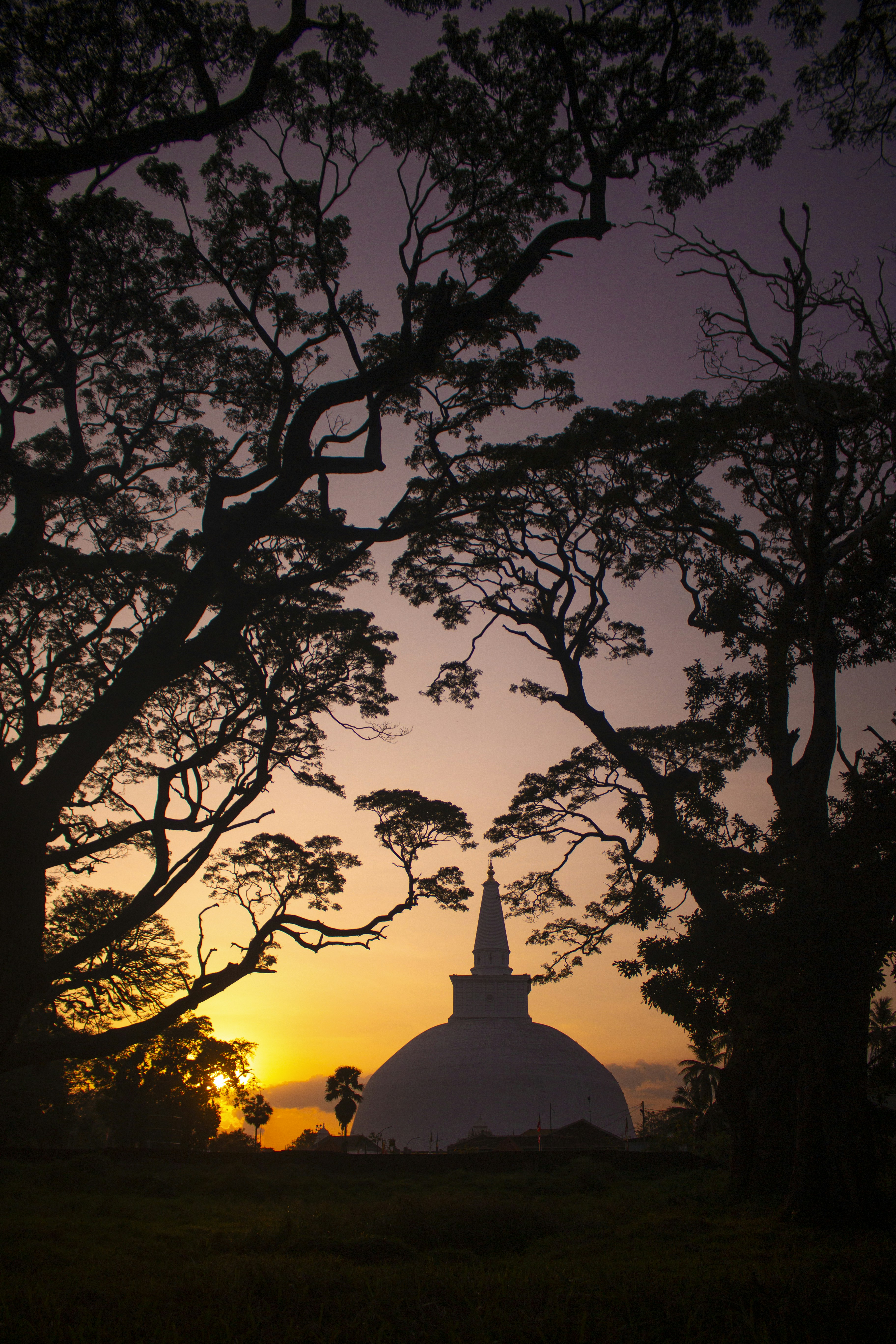
Anuradhapura was the first great capital of ancient Sri Lanka, and it remains a living pilgrimage site. Its sacred Bodhi tree, grown from a cutting said to come from the tree under which the Buddha attained enlightenment, is one of the oldest historically venerated trees in the world. Around it rise great white dagobas, vast monastic ruins and ancient reservoirs that still hold water today. Walking among them, you feel the scale of a city that ruled the island for centuries.
Polonnaruwa: The Medieval Capital
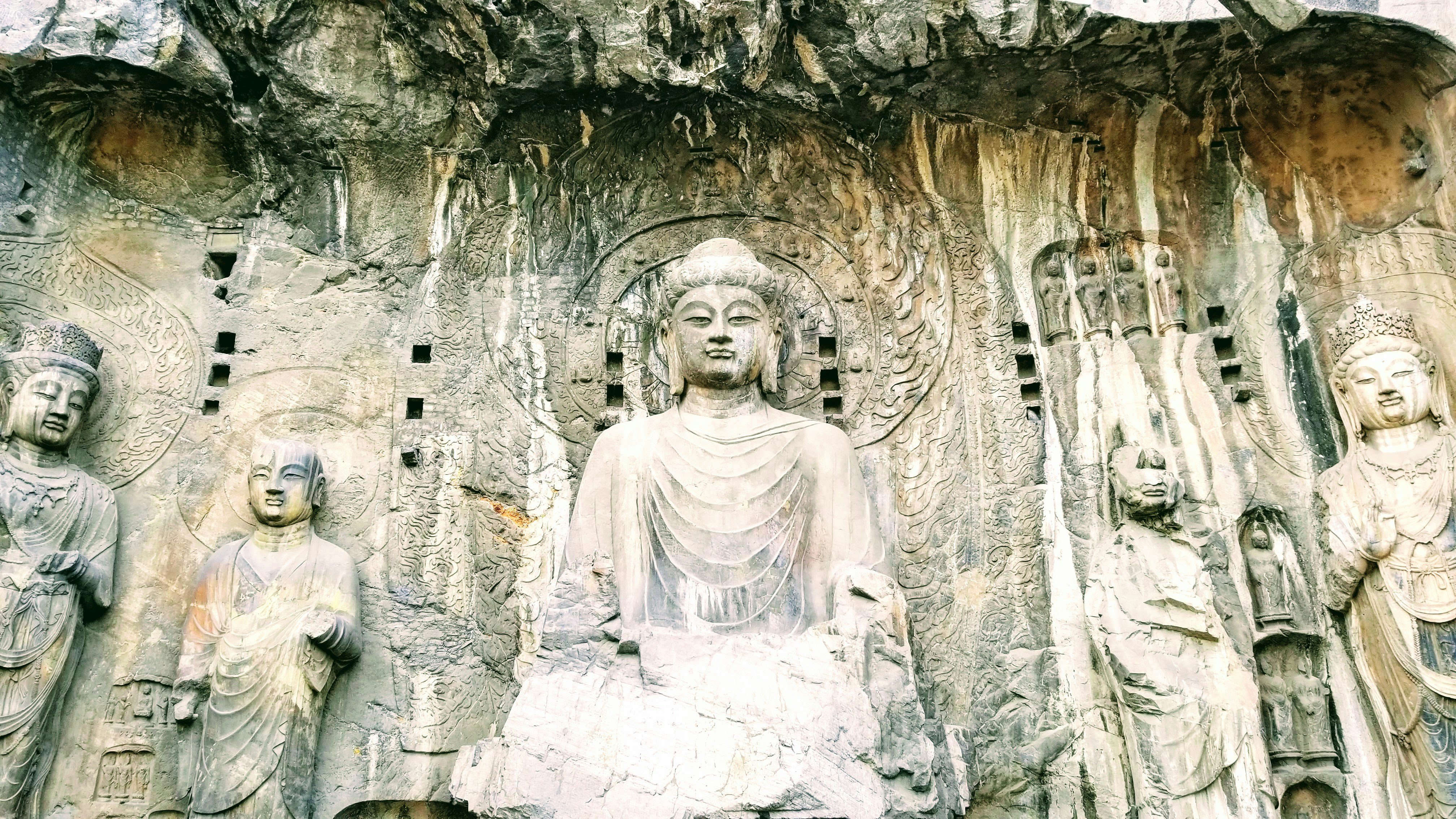
Polonnaruwa was the medieval capital that followed Anuradhapura, and it is more compact and easier to explore. Its ruins include royal palaces, council halls and beautifully carved temples, but the highlight is the Gal Vihara, a set of giant Buddha statues carved directly into a granite wall. The statues are among the finest examples of ancient Sinhalese art, and they are best seen in the soft light of early morning or late afternoon.
Sigiriya: The Rock Fortress
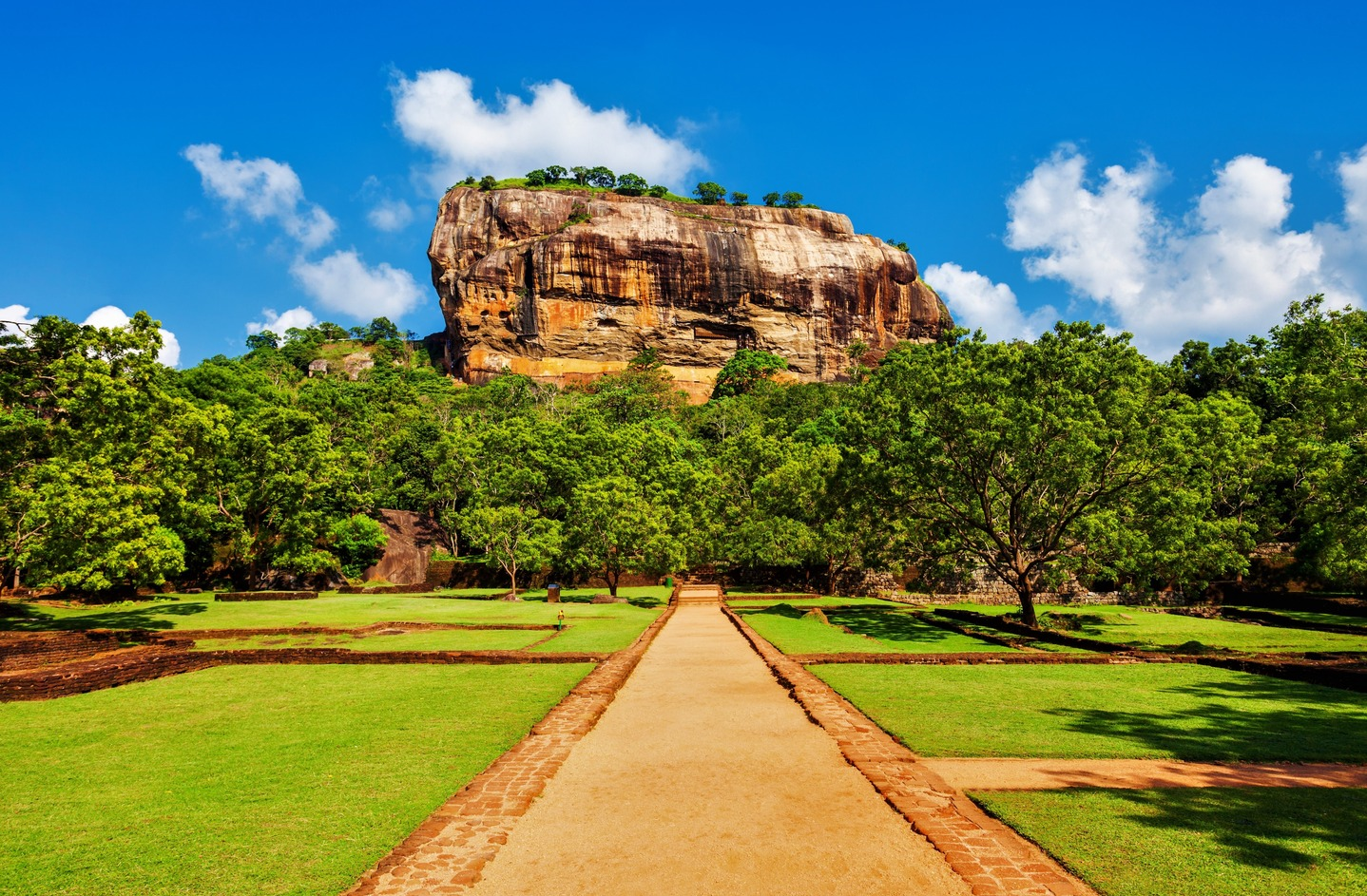
Sigiriya is the most dramatic site in the Cultural Triangle, a 5th century palace and fortress built on top of a 200 metre rock column. You climb past ancient frescoes and a pair of giant lion paws carved into the stone, then up metal steps to the summit, where the ruins of a royal palace look out over the jungle. At its base lie some of the oldest surviving water gardens in the world. It is a steep climb, but the view from the top is unforgettable.
Dambulla: The Cave Temples
Dambulla is a complex of cave temples tucked beneath a great rock, and its walls and ceilings are covered in Buddhist murals that have been painted and repainted over many centuries. The caves hold dozens of statues, including a long reclining Buddha, and the painted ceilings create a sense of being inside a living, breathing place of worship. It is a quieter site than Sigiriya, and a beautiful contrast to the climb.
Kandy: The Last Royal Capital
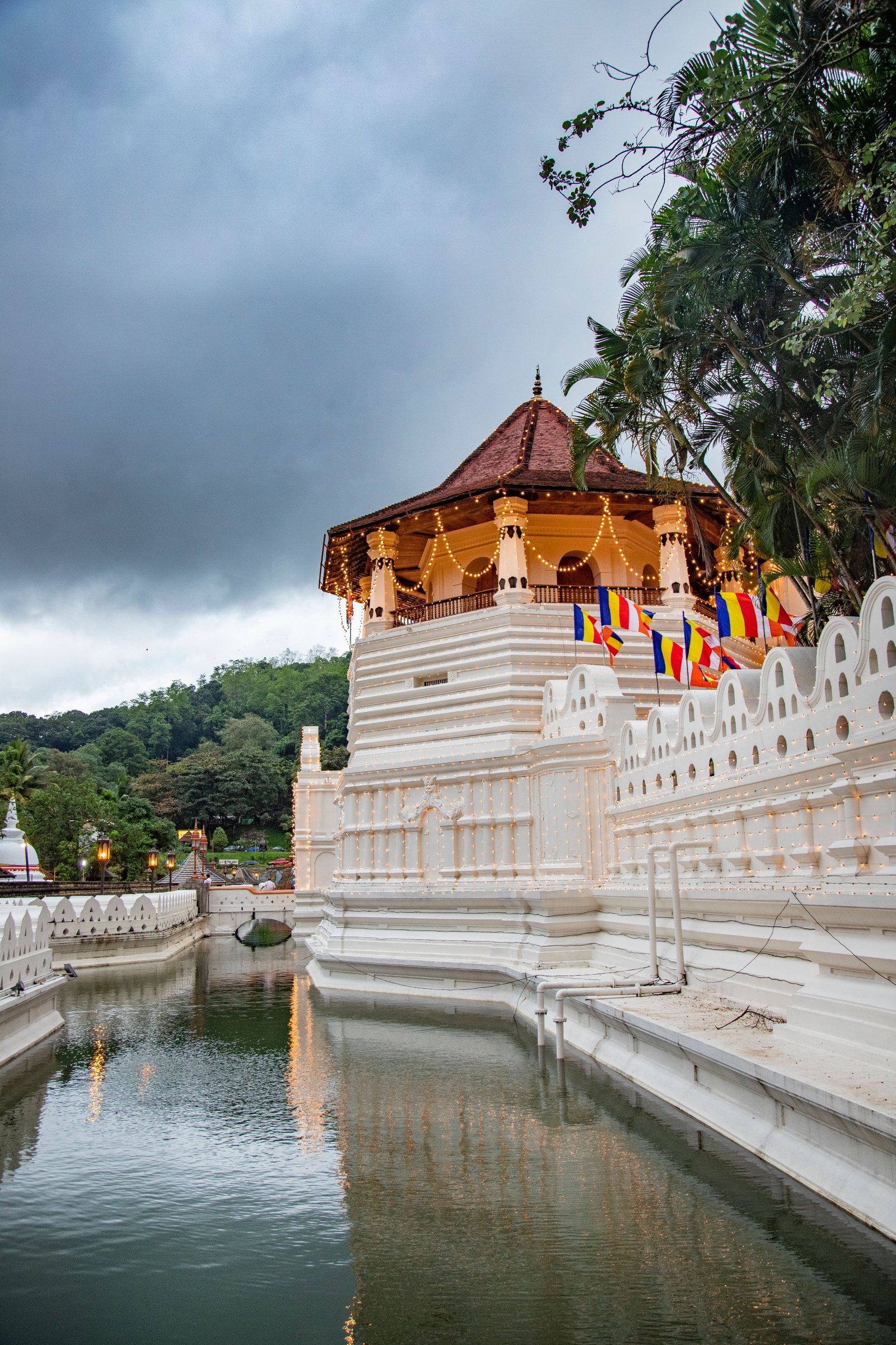
Kandy was the last royal capital of the Sinhalese kings, and it remains the cultural heart of the island. Its centrepiece is the Temple of the Tooth, which holds a relic believed to be a tooth of the Buddha and is one of the most sacred sites in the Buddhist world. Each year, usually in July or August, Kandy hosts the Esala Perahera, a grand procession of dancers, drummers and decorated elephants. The dates vary, so check the current year before planning around it.
Beyond the Triangle: The Island's Layered Heritage
The Cultural Triangle is the heart of the story, but Sri Lanka's heritage does not end there. The island is layered with the marks of many peoples and many centuries, and the south coast holds some of the most striking examples.
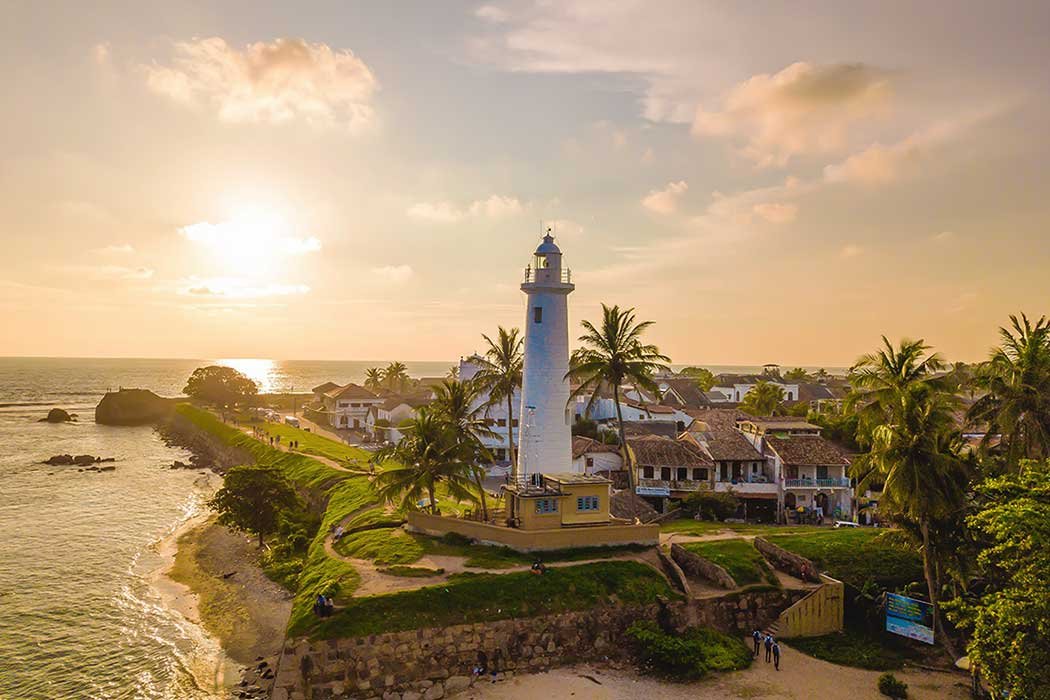
Galle Fort is a walled old town on the south coast, built by the Dutch on earlier Portuguese foundations, and it is one of the best preserved colonial sea forts in Asia. Inside its ramparts, Dutch churches sit beside a historic mosque, and the streets mix colonial, Muslim and South Asian life in a single, walkable quarter. The Galle Fort mosque stands in a multi faith setting that reflects the island's long history of different communities living side by side. For official background, the UNESCO World Heritage listing for the Old Town of Galle is a useful reference.
Colombo, the modern capital, has its own old quarters, where colonial buildings, markets and mosques sit close together. Further inland, the tea country of the central highlands carries the marks of the colonial era, with British built bungalows, tea factories and misty plantations. Sri Lanka is best understood as one island with many peoples and many stories, and the Serendib journey weaves several of them together.
Why This Is a Journey, Not a Destination
The Cultural Triangle is not one stop. It is a chain of stories that you travel through by road, rail and foot, and it combines naturally with the hill country, the wildlife parks and the south coast. That is the core idea behind this guide, and behind the whole Through the Lens series: Sri Lanka is a journey you move through, not a single place you stay put in.
In a single loop, you can climb Sigiriya at dawn, stand beneath the painted ceilings of Dambulla, walk the medieval streets of Polonnaruwa, and reach Kandy in time for evening worship at the Temple of the Tooth. From there, the famous hill country train carries you into the tea estates, a safari in Yala brings you face to face with wild elephants and leopards, and the south coast delivers the ramparts of Galle Fort and the warm sea. To see how this compares with other multi region trips, read our Sri Lanka vs Thailand vs Vietnam guide, and for value across the journey, our affordable luxury guide.
A Sample Serendib Journey
Here is a sample 9 day Serendib journey that weaves the Cultural Triangle together with the hill country, a safari and the south coast. It is an example only, and The SL Planner customises every route to your dates, pace and interests.
| Day | Location | Highlight | Notes |
|---|---|---|---|
| Day 1 | Colombo, Negombo or Beruwala | Arrival and rest | Short transfer from the airport; halal dinner arranged |
| Day 2 | Anuradhapura | Sacred Bodhi tree and great dagobas | Early start to beat the heat |
| Day 3 | Polonnaruwa | Gal Vihara rock statues | Cycle or drive the ruins |
| Day 4 | Sigiriya and Dambulla | Lion Rock climb and cave temples | Climb early morning or late afternoon |
| Day 5 | Kandy | Temple of the Tooth | Evening ceremony; botanical gardens optional |
| Day 6 | Tea country to Ella | Scenic train ride | Book seats in advance; one of the world's great rides |
| Day 7 | Yala | Leopard and elephant safari | Early morning or afternoon game drive |
| Day 8 | South coast and Galle Fort | Ramparts and old town | Walk the fort at sunset |
| Day 9 | Colombo or south coast | Departure | Relaxed morning before the flight |
This route works because the drives are short and the scenery changes every few hours. For more on the famous rail leg, read our Sri Lanka train rides guide, and for the best season to run it, our 365 day destination guide.
Planning for Middle Eastern and Arabic Speaking Travellers
Sri Lanka is a natural fit for travellers from the Gulf and the wider Middle East, and a Serendib journey can be planned with care and respect for every guest. Here are the practical points we handle, without assumptions about any individual or group.
- Halal dining planned at every stop. Halal food is widely available, and we arrange halal meals and restaurants along your route, from Colombo to Kandy to Galle.
- Prayer friendly itineraries and nearby mosques. We time drives and visits around prayer times and point you to mosques in each town, including the historic mosques of Beruwala and Galle Fort.
- Private, family friendly stays with privacy considerations. We choose hotels and villas that suit families and offer the privacy many travellers prefer.
- Private drivers with comfortable vehicles. You travel with your own driver in a private, air conditioned vehicle, so the journey moves at your pace.
- Modest dress guidance for temple visits. At sacred sites, shoes and head coverings come off and shoulders and knees should be covered, so we brief every guest in advance and plan accordingly.
- Flights and short transfer times from the Gulf. Direct flights from the Gulf to Colombo are short, and the airport is close to the start of the route, so you lose little time to travel.
For a full breakdown of Muslim friendly travel on the island, read our Sri Lanka halal travel guide, and for seasonal timing, our modest travel and monsoon guide.
Why Book This Journey with The SL Planner
The SL Planner builds bespoke Serendib journeys around the story you want to follow. Here is what we handle for you.
- A route built around the story you want to follow, not a generic tour.
- Halal friendly dining and prayer aware scheduling planned for you.
- Private drivers, scenic train bookings and safari arrangements handled for you.
- Local guides who bring the history to life in your language where possible.
- Flexible routes matched to the best season for your dates.
- Local support throughout your trip, so you always have someone to call.
Tell us the story you want to follow, and we will build the journey.
Frequently Asked Questions
Why was Sri Lanka called Serendib?
Serendib is the old Arabic and Persian name for Sri Lanka, used by Arab traders and storytellers for centuries. It came into European languages through the Persian fairy tale The Three Princes of Serendip, which gave English the word serendipity.
Is Sri Lanka a good destination for Arab and Middle Eastern travellers?
Yes. Sri Lanka has a long standing Muslim community, halal food is widely available, mosques are found in most towns, and flight times from the Gulf are short. The island suits families, couples and solo travellers looking for culture, nature and beaches in one compact trip.
What is the Cultural Triangle?
The Cultural Triangle is the region in Sri Lanka that holds its ancient capitals and sacred sites, including Anuradhapura, Polonnaruwa, Sigiriya, Dambulla and Kandy. It is the best way to experience the island history in one connected journey.
How many days do I need for the Cultural Triangle?
A comfortable Cultural Triangle visit takes about 4 to 6 days, which lets you explore Anuradhapura, Polonnaruwa, Sigiriya, Dambulla and Kandy without rushing. Many travellers extend to 8 to 10 days to add the tea country, a safari and the south coast.
Is Sri Lanka halal friendly?
Yes. Sri Lanka has a large Muslim community, halal restaurants are common in Colombo, Kandy, Galle and Beruwala, and many hotels can arrange halal meals on request. Prayer facilities are easy to find in most towns.
Is Adam's Peak open to visitors of all faiths?
Yes. Adam's Peak, also called Sri Pada, is sacred to Buddhists, Hindus, Muslims and Christians, and pilgrims and visitors of all faiths are welcome. The main pilgrim season runs roughly December to May, and the climb is demanding, so planning matters.
When is the best time to visit the Cultural Triangle?
The Cultural Triangle is best visited in the drier months, generally from around December to April, when the weather is cooler and the ancient sites are easier to explore. The region can be visited year round, but midday heat can be intense in the warmer months.
Plan Your Serendib Journey
Sri Lanka rewards travellers who come for the story and stay for the journey. From the name Serendib, carried on Arab ships across the Indian Ocean, to the rock of Sigiriya, the caves of Dambulla and the ramparts of Galle Fort, this is an island that has been telling its story for a very long time. The best way to hear it is to travel through it, one chapter at a time.
The SL Planner builds bespoke, halal friendly Serendib journeys around your dates, pace and interests, with private drivers, prayer aware scheduling and local guides. Contact us or use the buttons below to start planning, and explore more ideas in our Through the Lens guides.
Last updated: October 22, 2026. Dates, festival timings and flight schedules vary, so please check current details with official sources before you book.