The best time to visit Sri Lanka is a question with a surprising answer: any time. Sri Lanka is never closed. Because the island sits close to the equator and has two monsoon systems that wet different coasts at different times, there is always a sunny region, a calm beach or a clear hill station in season. When the southwest is wet, the east is sunny, and the reverse. This guide shows you which coast and region to pick for each month, how the monsoons work, and why a warm tropical downpour can be one of the best parts of the trip.
Quick answer
There is no bad time to visit Sri Lanka as a whole, because its two monsoons hit different coasts at different times, so the right region is always in season. The best choice depends on the month and the region you want to visit, and The SL Planner helps you match your dates to the sunny side of the island.
Key takeaways
- Sri Lanka is a year round destination with two monsoons that affect different coasts at different times.
- West and south coasts shine roughly December to April, while the east coast is best roughly May to September.
- Tropical rain is warm, often falls in short bursts, and brings lush landscapes, waterfalls and better value.
- Whale watching, safaris, surfing, trains and festivals all have their own seasons across the year.
- The SL Planner matches your travel dates to the right regions and builds flexible, weather aware itineraries.
- Weather varies by year, so check current conditions and event dates before you book.
Table of contents
Why Sri Lanka Works All 365 Days
Sri Lanka works all 365 days because it is a small island with very different microclimates packed close together. The country sits near the equator, so it stays warm year round, and within a few hours you can move from a tropical beach to a cool hill station to a dry zone plain. Coastal, hill and dry zone regions each behave differently, which means that when one part of the island is wet, another is usually dry and sunny.
This is the core idea behind Sri Lanka all year round travel. You are not gambling on a single weather window the way you might on a one island resort. Instead, you choose the region that matches your dates, and the island does the rest. For a deeper look at how the country fits together, our Sri Lanka travel itineraries guide breaks routes down by duration and style.
How the Seasons Actually Work
Sri Lanka's weather is shaped by two monsoon systems and the inter monsoon periods between them. The Southwest Monsoon, roughly May to September, brings rain to the west and south coasts and the hill country. The Northeast Monsoon, roughly October to January, affects the north and east and parts of the hill country. In between, inter monsoon periods can bring short, dramatic afternoon thunderstorms. These are rough windows, and weather varies by year, so treat them as a guide rather than a rule.
The key point is that the two monsoons rarely hit the same coast at the same time. That is what makes Sri Lanka a 365 day destination. For official climate background, the Sri Lanka Department of Meteorology publishes weather and climate information, and the Sri Lanka Tourism Development Authority shares official tourism data.
| Monsoon system | Which coast | Rough months | What it means for travellers |
|---|---|---|---|
| Southwest Monsoon | West and south coasts, hill country | Roughly May to September | Head east for sun; hill country is greener and mistier |
| Northeast Monsoon | North and east coasts, parts of hill country | Roughly October to January | Head west and south for sun; east coast is wetter |
| Inter monsoon periods | Island wide | Roughly April and October | Short afternoon thunderstorms, warm and humid |
Months are approximate and for general guidance only. Conditions vary each year, so check current forecasts before you travel.
The Rule of Thumb: When One Coast Is Wet, Head to the Other
The simplest rule for Sri Lanka weather by month is this: when one coast is wet, head to the other. The west and south coasts, including Colombo, Galle, Mirissa, Weligama and Unawatuna, shine roughly December to April, with dry, sunny weather and calm seas. The east coast, including Trincomalee, Passikudah and Arugam Bay, is at its best roughly May to September, when the southwest monsoon is soaking the south.
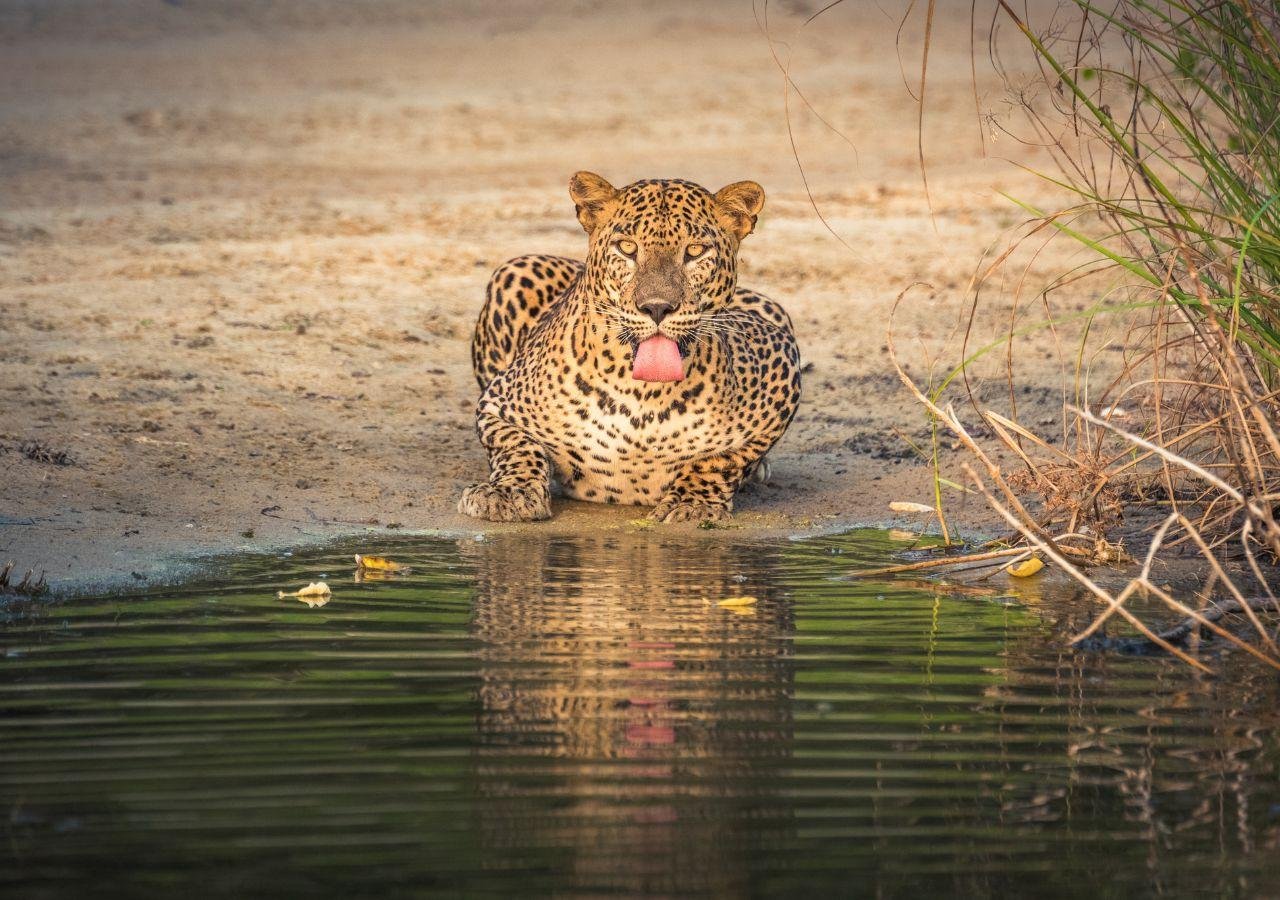
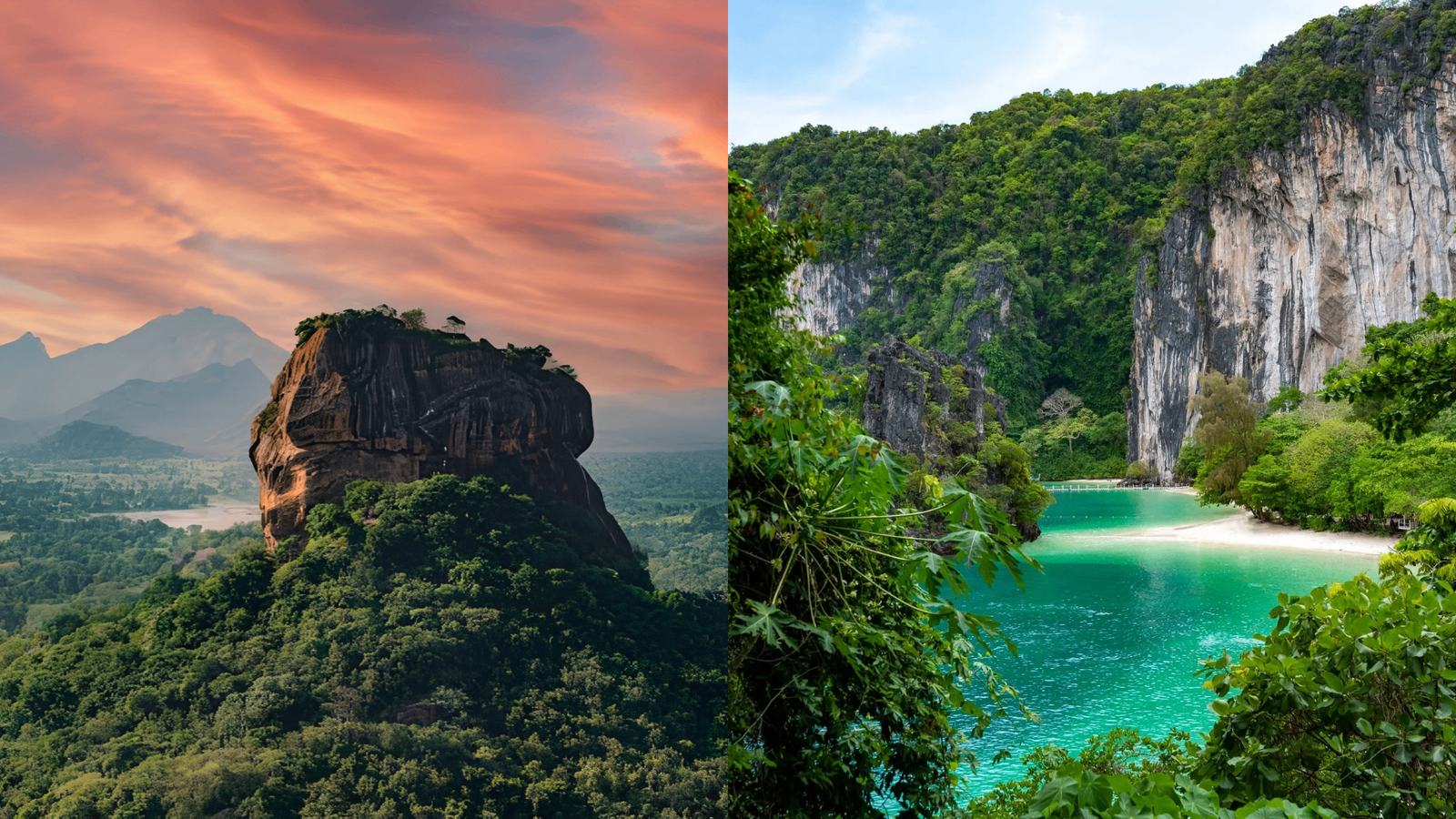
The hill country around Kandy, Nuwara Eliya and Ella is often at its clearest roughly January to April, though it is greenest and most dramatic after rain. The cultural triangle and dry zone, home to Sigiriya, Anuradhapura and Polonnaruwa, are best in the drier months but remain visitable all year. National parks such as Yala, Udawalawe and Wilpattu can be enjoyed across much of the year, with wildlife generally easier to spot in drier months. For a full breakdown of the parks, read our Sri Lanka safari guide.

Month by Month Guide
Here is a month by month view of the best regions, what to do, the weather note and any festivals or events. Use it as a starting point, and remember that conditions shift each year.
| Month | Best regions | What to do | Weather note | Festivals and events |
|---|---|---|---|---|
| January | West and south coasts, hill country, cultural triangle | Beaches, whale watching, safaris, climbing Sigiriya | Dry and sunny on the south and west | Duruthu Perahera (dates vary) |
| February | West and south coasts, hill country | Beaches, surfing south coast, tea country trains | Dry, warm and clear | Navam Perahera in Colombo (dates vary) |
| March | South coast, hill country, cultural triangle | Whale watching, safaris, hiking Ella | Dry, warming up before inter monsoon | Maha Shivaratri (dates vary) |
| April | South and east coasts, hill country | Beaches, New Year festivities, Nuwara Eliya season | Inter monsoon, afternoon showers, warm | Sinhala and Tamil New Year |
| May | East coast, cultural triangle | East coast beaches, Arugam Bay surf, safaris | Southwest monsoon begins on the south and west | Vesak (dates vary) |
| June | East coast, north, cultural triangle | Trincomalee and Passikudah beaches, surfing | East coast dry and sunny, south west wet | Poson (dates vary) |
| July | East coast, north, cultural triangle | East coast beaches, Arugam Bay surf, safaris | East coast at its best, south west monsoon | Esala Perahera in Kandy (July or August) |
| August | East coast, hill country, cultural triangle | East coast beaches, Kandy festival, safaris | East coast dry, south west monsoon easing | Esala Perahera in Kandy (July or August) |
| September | East coast, cultural triangle, hill country | Surfing, safaris, tea country | End of southwest monsoon, mixed weather | Kataragama festival (dates vary) |
| October | South coast, cultural triangle | Safaris, cultural sites, fewer crowds | Inter monsoon, afternoon thunderstorms | Deepavali (dates vary) |
| November | South and west coasts, hill country | Beaches opening up, whale watching begins | Northeast monsoon on the east, south clearing | Deepavali (dates vary) |
| December | West and south coasts, hill country | Beaches, whale watching, tea country, safaris | Dry and sunny on the south and west | Christmas and year end festivities |
Festival dates follow lunar calendars and change each year, so confirm them before planning around an event.
Year Round Highlights
Some experiences run across much of the year, just on different coasts. Knowing these seasons helps you slot them into any month.
- Whale and dolphin watching. The south coast season around Mirissa runs roughly November to April, while the east coast around Trincomalee runs roughly May to October, so Sri Lanka whale watching season spans most of the year.
- Safari at Yala and Udawalawe. Generally best in the drier months, when animals gather around water. Parks sometimes close for seasonal maintenance, so travellers should check before booking.
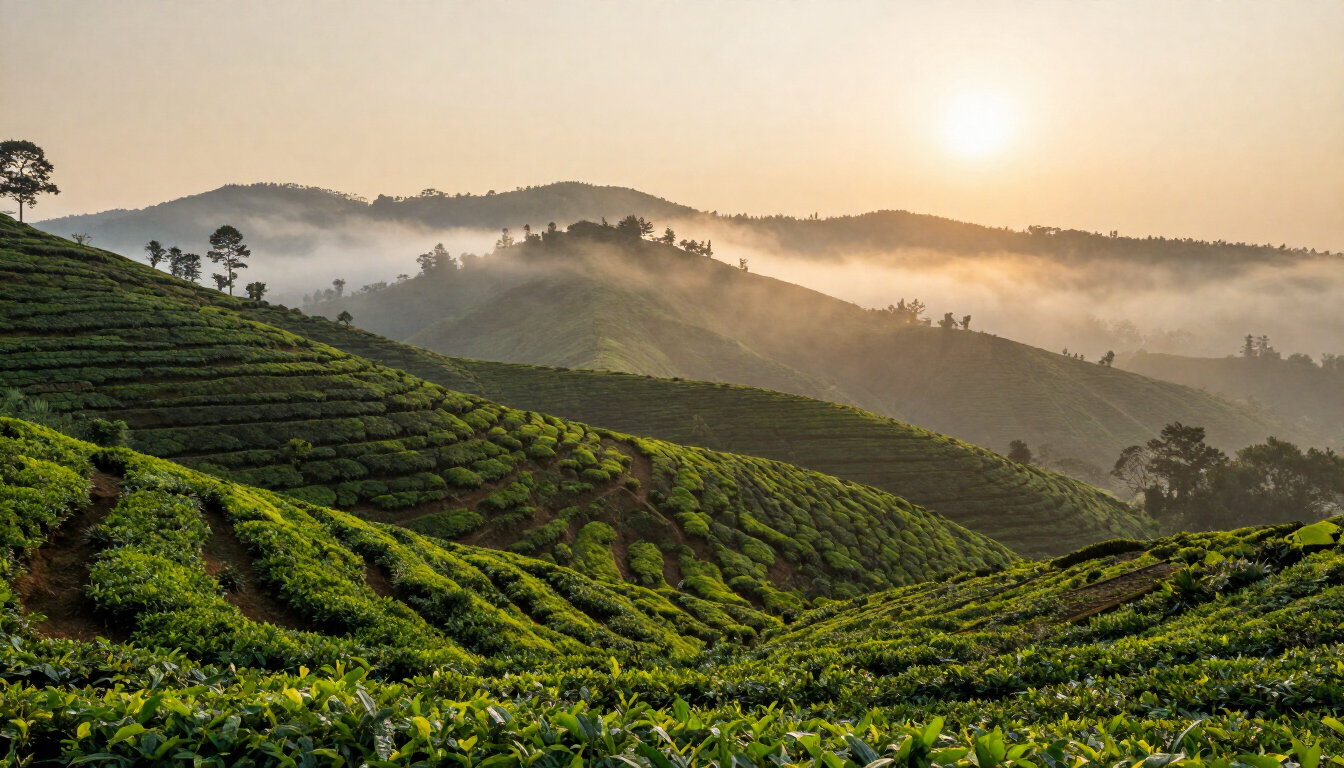
- Tea country and scenic trains. The hill country is greenest after rain and clearest in the drier months. Our Sri Lanka train rides guide covers the famous Kandy to Ella line.
- Surfing. The south and west coasts are best in their dry season, while Arugam Bay in the east peaks in the middle of the year.
- Festivals. Sinhala and Tamil New Year in April, Vesak in May and the Esala Perahera in Kandy in July or August are highlights, though dates vary by year.
- Turtle nesting and beach time. The south coast offers beach relaxation and turtle nesting across much of the year.
Why Rain in Sri Lanka Is Part of the Fun
Sri Lanka in the rainy season is not something to avoid. Tropical rain here is warm, not cold, and most of it comes in short bursts, often in the afternoon, rather than all day downpours. The payoff is enormous: dramatic skies, misty hills, brighter greens, powerful waterfalls and rivers in full flow, and tea estates at their lushest. A rainy afternoon in a colonial bungalow with a pot of hot tea is one of the most memorable experiences the island offers.
Rain also means fewer crowds, more relaxed beaches and attractions, and better hotel value. Sri Lanka rain travel is, for many visitors, the secret to a quieter, cheaper, more atmospheric trip. Keep it honest, though: some activities need extra care in monsoon weather. Sea swimming on rough coasts, some hikes and boat trips should be approached with caution, and The SL Planner routes you to the calmer side of the island for each activity.

Rain as a Novelty for Travellers from Dry Climates
For travellers from dry climates, such as much of the Middle East, rain is rare and often a novelty. A warm tropical downpour, green landscapes and misty hills are an experience in themselves, and for many travellers a main reason to visit. Sri Lanka travel for Middle East travellers can be as much about the sensory pleasure of rain as about the beaches and wildlife.
Picture the smell of rain on warm earth, a waterfall in full flow after a shower, or a quiet rainy afternoon in the tea country with mist rolling over the ridges. These are moments that simply do not exist in arid regions, and they are part of what makes Sri Lanka feel so alive. This is an open invitation to anyone who finds rain a rare and welcome thing, with no assumptions about any individual or group.
Who Should Travel When
Different travellers suit different seasons. Here is a short guide to help you choose.
- Families. December to April on the south and west coasts, when seas are calm and beaches are sunny.
- Couples and honeymooners. The dry months on either coast, mixing beaches with a tea country stay for romance and scenery.
- Wildlife lovers. Drier months for safaris, and November to April for whale watching off Mirissa.
- Culture seekers. July or August for the Esala Perahera in Kandy, and the cooler dry months for the cultural triangle.
- Surfers. South and west coasts in their dry season, and Arugam Bay in the east from roughly May to September.
- Budget travellers. The monsoon season on each coast, when rates drop and crowds thin, while dry hours still abound.
- Quiet and value seekers. Shoulder months and the wetter coast, for fewer people and more relaxed attractions.
A Sample Year Round Route Idea
The same 7 to 10 day trip changes by season. In the dry months from December to April, a south coast heavy route makes sense: Colombo, the cultural triangle, Kandy, the train to Ella, a Yala safari, and beach time around Mirissa or Galle. This takes full advantage of the sunny south and west.
During the southwest monsoon, from roughly May to September, flip the route toward the east coast and hill country: Colombo, Sigiriya, Kandy, the train to Ella, then east to Trincomalee or Passikudah for beaches, with a safari in a drier park. The structure stays the same, but the beach leg moves to the sunny side. For more on how Sri Lanka compares with other multi region trips, read our Sri Lanka vs Thailand vs Vietnam guide, and for value across the year, our affordable luxury guide.
Halal Friendly and Family Friendly Travel Across the Seasons
Halal friendly dining, prayer friendly stays and family comfort can be planned in any season. Sri Lanka has a large Muslim community, halal food is widely available, and many hotels can arrange halal meals and prayer facilities on request. The SL Planner arranges these on request, whatever month you travel, so dietary and family needs never limit when you can visit. For a full breakdown, read our Sri Lanka halal travel guide.
How The SL Planner Helps
The SL Planner makes a 365 day destination easy to plan. Here is how we help you travel Sri Lanka all year round.
- We match your travel dates to the right regions, so you are always on the sunny side of the island.
- We build flexible itineraries with weather backup options, so a rainy afternoon never ruins a day.
- We arrange halal friendly, vegetarian and family friendly stays and meals, on request, in any season.
- We handle transport, private drivers, train bookings and safaris, timed to the season for each region.
- We stay available through the trip with local support, so you always have someone to call.
Tell us your dates and we will tell you where to go. Use the enquiry button below to start planning.
Frequently Asked Questions
What is the best month to visit Sri Lanka?
There is no single best month for Sri Lanka as a whole, because the two monsoons hit different coasts at different times. December to April is ideal for the west and south coasts and the hill country, while May to September is best for the east coast. The right month depends on which region you want to visit.
Is it worth visiting Sri Lanka in the rainy season?
Yes. Tropical rain in Sri Lanka is warm, often falls in short afternoon bursts rather than all day, and brings lush green landscapes, powerful waterfalls, fewer crowds and better hotel value. You simply head to the coast that is in its dry season, or enjoy the misty hill country.
Which coast is best in July?
The east coast is best in July. Trincomalee, Passikudah and Arugam Bay are in their dry season, with sunny weather, calm seas and great surfing, while the southwest monsoon affects the west and south coasts.
Which coast is best in December?
The west and south coasts are best in December, with dry, sunny weather ideal for beaches around Colombo, Galle, Mirissa and Weligama. The hill country is also clear, while the east coast is in its monsoon.
Can you do safari and beaches in the same trip?
Yes. Sri Lanka is compact enough to combine a safari in Yala or Udawalawe with beach time on the south or east coast in a single 7 to 10 day trip. The SL Planner times the safari and beach legs to match the season for each region.
Is it safe to travel during the monsoon?
Yes, with care. Most monsoon rain comes in bursts rather than lasting all day, but sea swimming on rough coasts, some hikes and boat trips need extra caution. The SL Planner builds flexible itineraries with weather backup options and routes you to the calmer, drier coast for each activity.
When is the cheapest time to visit Sri Lanka?
The cheapest time is usually the monsoon season on each coast, when demand drops and hotels offer better value. Travelling in the shoulder months or on the wetter coast can mean lower rates, fewer crowds and a more relaxed experience, while still enjoying plenty of dry hours.
Plan Your Year Round Sri Lanka Journey
Sri Lanka is not a destination you time perfectly. It is a place that always has something waiting, on one coast or another, in every month of the year. Whether you want sunny south coast beaches in December, east coast surfing in July, or misty tea country after a warm rain, the island is ready whenever you are.
The SL Planner builds bespoke, season aware itineraries around your dates, pace and interests, including halal friendly routing, flexible weather backup options and private drivers. Contact us or use the enquiry button below to start planning, and explore more ideas in our Through the Lens guides.
Last updated: October 22, 2026. Weather patterns, festival dates and park closures vary each year, so please check current conditions with official sources before you book.