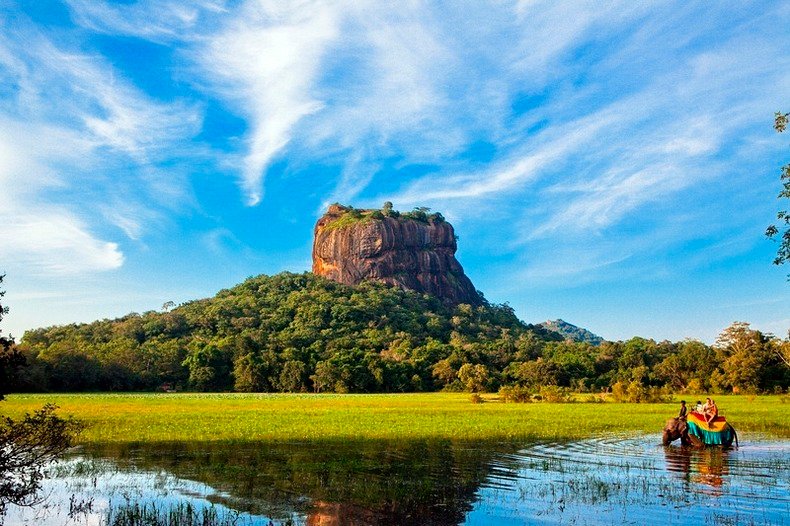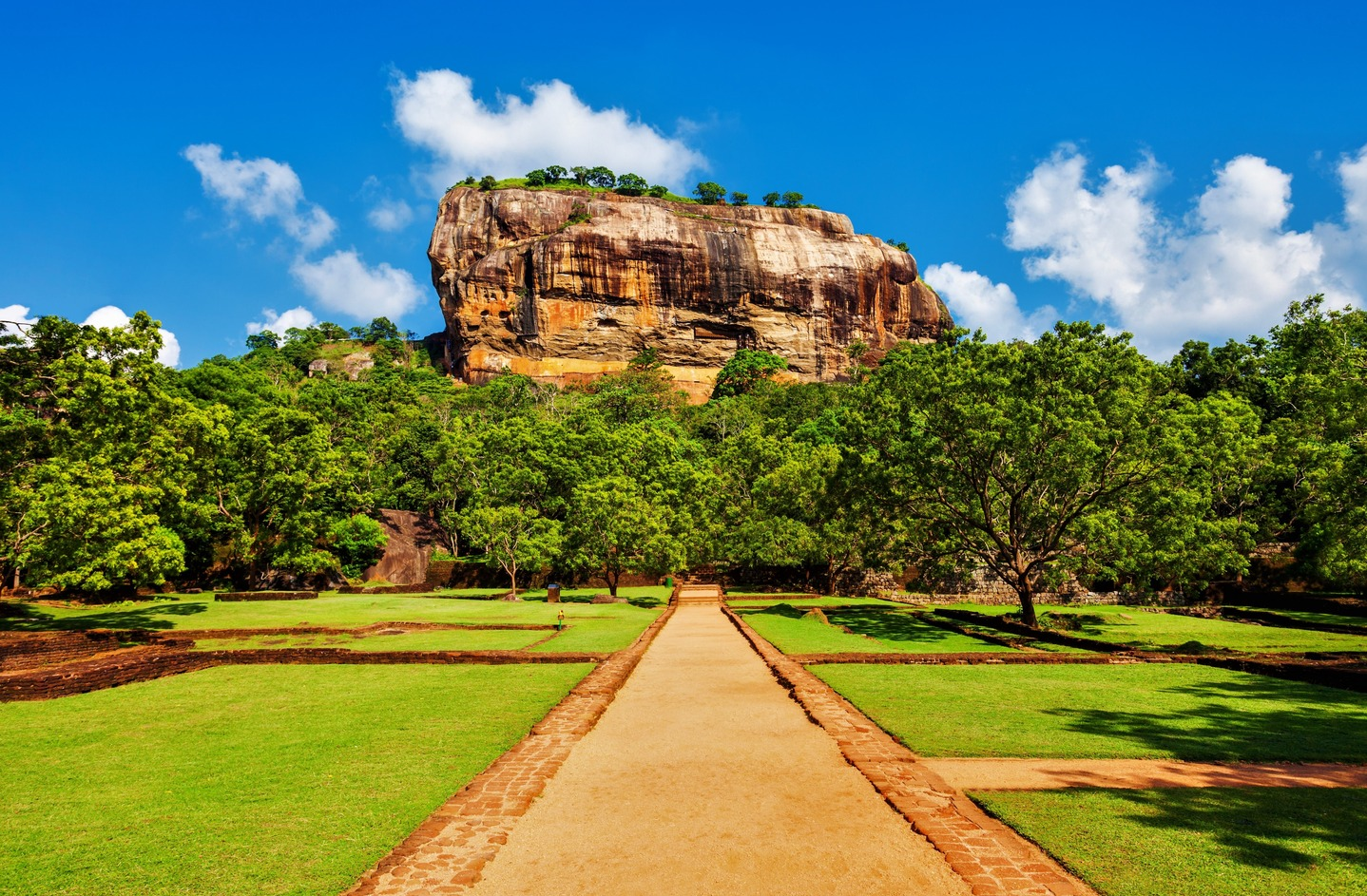
Rising nearly 200 metres above the surrounding jungle in Sri Lanka's Central Province, Sigiriya is one of the most remarkable sights in South Asia. A 5th-century royal citadel built atop a towering column of rock, it combines audacious engineering, ancient art, and panoramic views into a single unforgettable experience, and it forms the natural anchor of any Cultural Triangle itinerary.
Why Visit Sigiriya
Sigiriya, also called Lion Rock, is a UNESCO World Heritage Site and arguably the single most photographed landmark in Sri Lanka. King Kashyapa I chose this dramatic rock as the site of his new capital in the late 5th century AD, transforming its summit into a royal palace and decorating its western face with frescoes and a polished mirror wall. Few sites anywhere combine a challenging climb, surviving ancient art, sophisticated water gardens, and a summit view in quite the same way. For most travellers, Sigiriya is the highlight of the Cultural Triangle, and the surrounding area adds elephant safaris, cave temples, and rural village life to the mix.
The Lion Rock Climb
The climb to the summit involves roughly 1,200 steps, including a steep metal staircase attached to the rock face near the top. You enter through two enormous stone lion's paws, all that remains of a colossal lion sculpture that once gave the fortress its name. Along the way, the highlights include the Sigiriya frescoes, a gallery of ancient paintings of celestial maidens tucked into a sheltered alcove, and the mirror wall, a polished parapet once so smooth it served as a reflective surface. The summit opens out onto the ruins of Kashyapa's palace, including foundations, pools, and sweeping 360-degree views over the jungle and lakes below. Start early, ideally around 7 AM, to beat both the heat and the crowds.
Pidurangala Rock
Just a short distance from Sigiriya, Pidurangala Rock offers a contrasting experience. The climb is shorter and rougher, finishing with a scramble over boulders, but the reward is arguably the best view of Sigiriya Rock itself, especially at sunrise when the rock glows gold against the sky. Pidurangala has been a Buddhist monastery site for over 2,000 years and still holds a large reclining Buddha near its base. Many travellers climb Pidurangala at dawn for the view, then visit Sigiriya later in the morning, though doing both in a single day is physically demanding.
The Water Gardens and Sigiriya Museum
At the base of the rock, the ancient water gardens are among the earliest surviving examples of landscape architecture in the world, with symmetrically laid-out pools, fountains, and boulder gardens that are worth exploring in their own right. The on-site Sigiriya Museum, located near the main entrance, provides valuable context on the fortress's history, engineering, and the frescoes before you begin the climb. For travellers who prefer not to attempt the summit, the gardens and museum offer a rewarding lower-intensity alternative.
Dambulla Cave Temple
About 20 minutes' drive from Sigiriya, the Dambulla Cave Temple is a UNESCO World Heritage Site in its own right and an easy pairing with the Lion Rock. Five cave temples carved into a hilltop contain over 150 Buddha statues and extensive murals covering the ceilings and walls, some dating back more than 2,000 years. The temple sits above ground level, so there is a short climb, and modest dress with shoulders and knees covered is required, as it remains an active place of worship.
Minneriya and Kaudulla Elephant Safaris
The Sigiriya area is also a gateway to two of Sri Lanka's best national parks for elephant sightings. Minneriya and Kaudulla, both a short drive away, are famous for The Gathering, an annual phenomenon between roughly July and September when hundreds of wild Asian elephants congregate around the receding reservoirs to feed, socialise, and bathe. Outside those months, smaller herds are still commonly seen. A late-afternoon safari in an open 4x4 is the standard way to visit, and it pairs naturally with a morning climb of Sigiriya.
Village Experiences
Around Sigiriya and the nearby town of Habarana, several operators offer traditional village experiences that include ox-cart rides, a catamaran crossing of a lake, and a simple village lunch prepared over a wood fire. These are relaxed, family-friendly activities that show a quieter side of the Cultural Triangle away from the major monuments, and they work well as a slower afternoon activity after a morning climb.
Best Time to Visit
Sigiriya can be visited year-round, but the most comfortable climbing conditions fall between January and April, when rainfall in the Cultural Triangle is lower and mornings are cooler. If elephant safaris are a priority, plan around July to September for The Gathering. Regardless of season, an early morning or late afternoon start is strongly recommended to avoid the intense midday heat, which can make the exposed stone steps uncomfortable.
How to Get There
Sigiriya is roughly four hours from Colombo by road and is most commonly reached by private car or driver, which allows flexibility for stops along the way. It is usually combined with Kandy, Dambulla, and the other Cultural Triangle sites on a loop itinerary. The nearest larger town is Dambulla, and Habarana, a short drive away, is a popular alternative base with a range of accommodation. There is no train service directly to Sigiriya.
How Long to Stay
Two to three nights in the Sigiriya or Habarana area is ideal. This allows one day for the Sigiriya climb and water gardens, a second day for Dambulla and an elephant safari, and an optional third for Pidurangala, a village experience, or a day trip to Polonnaruwa or Anuradhapura. A single night is possible but rushed, and a day trip from Kandy is feasible though it involves several hours of driving.
Where to Stay
Accommodation ranges from eco-lodges and boutique jungle hotels to larger resort-style properties, many offering views of the rock fortress itself. Habarana, a short drive from Sigiriya, has a particularly good concentration of mid-range and upscale options and is well positioned for both the rock and the national parks. When booking, confirm breakfast timing if you plan a sunrise climb, and ask about packed meals for early departures.
Food and Dining
Sigiriya itself is a small town built around tourism to the rock, so most visitors eat at their hotels or in nearby Dambulla, which has a broader range of local restaurants. Traditional Sri Lankan rice and curry, made with chicken, fish, or vegetables, is widely available. As a smaller heritage town, Sigiriya has limited dedicated halal dining, so travellers with specific dietary requirements should confirm meal arrangements with their hotel in advance and carry water and snacks for the climb, as options on the rock itself are minimal.
Sigiriya Travel Tips
- The Climb: Wear closed-toe shoes with good grip, bring water and sun protection, and start early. The metal staircases near the summit can be daunting for anyone with a fear of heights.
- Tickets: Entry tickets are purchased at the main entrance. Having your hotel or driver arrange them in advance can save time at peak hours.
- Heat: The Cultural Triangle is hot and dry. Plan activity for early morning and late afternoon, with a long midday rest.
- Combining Sites: Base yourself in one hotel for two to three nights and visit Sigiriya, Dambulla, and a national park on separate days to avoid exhaustion.
Cultural and Historical Context
Sigiriya was the short-lived capital of King Kashyapa I, who seized the throne in the late 5th century AD and built his fortress on the rock for defensive reasons. After his defeat and death, the site was returned to the Buddhist sangha and used as a monastery for centuries thereafter. The frescoes, the lion gateway, and the sophisticated water gardens all date from Kashyapa's brief but ambitious reign, making Sigiriya a remarkable snapshot of a single moment in ancient Sri Lankan history. The surrounding Cultural Triangle, which also includes Anuradhapura and Polonnaruwa, together tells the story of over 1,500 years of Sri Lankan civilisation.