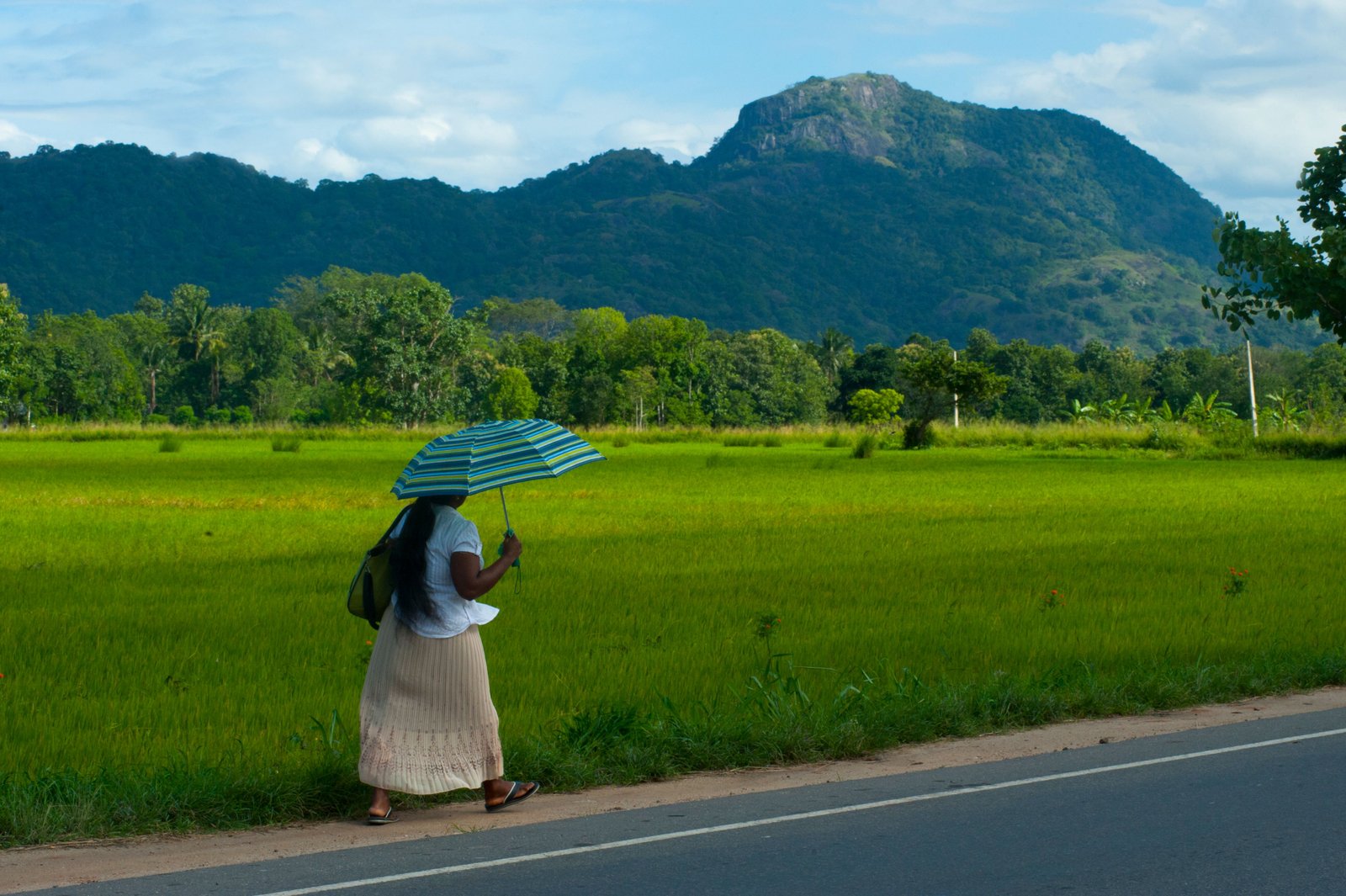
Tucked into Sri Lanka's remote southeast coast, Arugam Bay is a small surf town with an outsized reputation. A long, consistent right-hand point break put it on the global surfing map, and its laid-back, end-of-the-road atmosphere keeps travellers coming back. Unlike the south coast, Arugam Bay comes alive during the east coast dry season from May to September, making it a natural counterpoint to the rest of the island's beach destinations.
Why Visit Arugam Bay
Arugam Bay is one of the world's top surf destinations, and the surrounding area offers far more than waves. The nearby village of Pottuvil and the wider Ampara district have one of the strongest concentrations of Sri Lankan Muslim communities on the island, which gives the region a distinctive local character and makes halal food and mosques part of everyday life rather than a special request. Beyond the surf, the area offers lagoon boat safaris, the bird-rich Kumana National Park, quiet beaches, and a genuinely relaxed east coast atmosphere that feels a world away from the busier south.
Surfing at Main Point
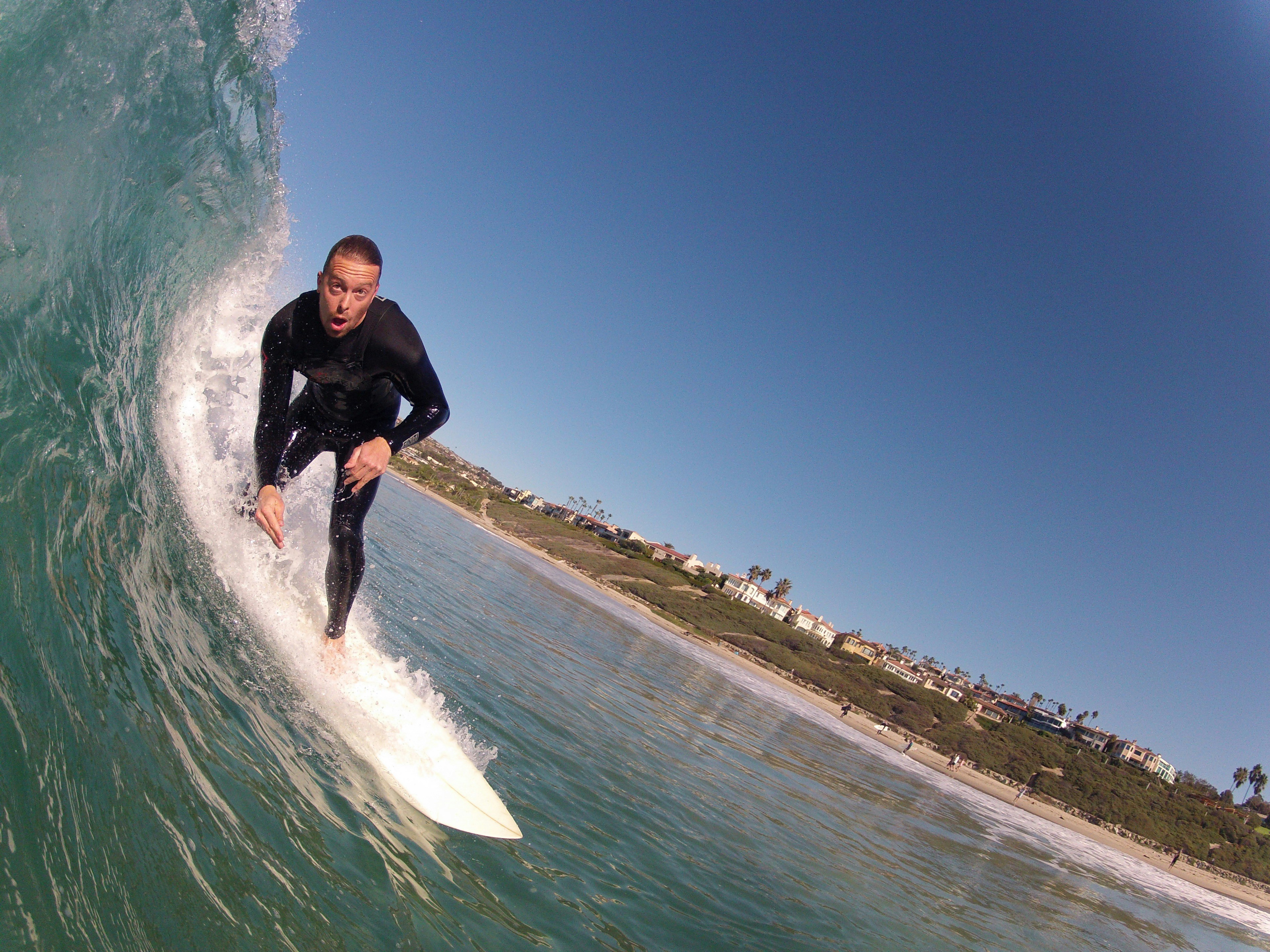
Arugam Bay's Main Point is the break that built the town's reputation, a long, peeling right-hand wave that works best on a south or southwest swell. It suits intermediate to advanced surfers, and at its best it offers rides of several hundred metres. The break sits just south of the main beach strip, and a small crowd of regulars and travelling surfers typically gathers each morning. Several surf schools in town offer lessons for beginners, usually on gentler waves at nearby beaches rather than at Main Point itself.
Other Surf Spots
The area has a string of breaks within a short tuk-tuk ride. Elephant Rock, just south of town, offers a quieter, more beginner-friendly wave and a scenic walk along the beach to reach it. Whiskey Point, to the north, is a popular spot that handles slightly smaller swell. Peanut Farm, further south, is a mellow, uncrowded break favoured by longboarders. Crocodile Rock, near Pottuvil, is another local spot with a memorable name and a short walk in. The variety means there is usually a working wave somewhere along this stretch regardless of daily conditions.
Pottuvil Lagoon Boat Safaris
A short distance from the beach strip, Pottuvil Lagoon offers a calm, family-friendly boat safari through mangroves. The tours typically last around an hour and a half and offer the chance to spot crocodiles, elephants coming to the water's edge, and a wide variety of birdlife, including kingfishers, eagles, and herons. It is a relaxed alternative to a day in the surf and works well for non-surfing travel companions or as a rest-day activity.
Kumana National Park
Formerly known as Yala East, Kumana National Park lies a short drive south of Arugam Bay and is best known for its birdlife, with over 200 recorded species and a famous bird sanctuary centred on the Kumana villu, a mangrove swamp that becomes a nesting ground during the migratory season. The park is also home to elephants, leopards, and other wildlife, but receives far fewer visitors than Yala, making for a quieter, less crowded safari. It pairs naturally with a stay in Arugam Bay and can be visited as a half-day trip.
Beaches and Coastal Walks
Arugam Bay's main beach is a long, sandy curve that stays relatively uncrowded compared to the south coast's major resorts. Sunset walks along the sand, a stroll out to Elephant Rock, or a quiet morning swim are all part of the appeal. The beaches here are more modest and low-key than the developed south coast strips, which suits travellers looking for a calmer, less commercial atmosphere.
The Unique Atmosphere
What sets Arugam Bay apart is its mood. The town has a bohemian, surf-road feel, with guesthouses, small cafes, and beach bars lining the main strip, and a pace of life dictated by the tides and the surf. During peak season in July and August it can get lively, while the shoulder months of April to May and September to October are quieter but still offer good waves. The mix of an international surf crowd and a strong local Muslim community gives Arugam Bay a character found nowhere else on the island.
Best Time to Visit
The main season runs from April to October, when the east coast is in its dry period and the surf is most consistent. This is the opposite of the south and west coast high season, which makes Arugam Bay an excellent choice during the southwest monsoon months. July and August are the busiest months; for a quieter visit with still-good surf, consider the shoulder months of May to June or September to October. Outside the main season, from November to March, the area is much quieter, many businesses close, and the sea can be rough.
How to Get There
Arugam Bay is roughly six to seven hours from Colombo by road, making it the most remote of Sri Lanka's major beach destinations. Most travellers arrive by private car or driver, often as part of a wider east coast or Yala safari itinerary. A domestic air taxi service operates to nearby airstrips during peak season, cutting travel time dramatically. Because of the distance, Arugam Bay is best treated as a dedicated stop of several nights rather than a quick side trip.
How Long to Stay
Three to five nights is a comfortable stay for most travellers, allowing time to surf, take a lagoon safari, visit Kumana, and simply enjoy the beach. Dedicated surfers often stay a week or more. A single night is not recommended given the long drive to reach the area.
Where to Stay
Accommodation ranges from surf hostels and simple guesthouses to boutique beach hotels and private villas. Properties closer to Pottuvil tend to be quieter and more aligned with the local community, while the main beach strip has a more social, surf-oriented atmosphere. Private villas are a good option for families or groups wanting privacy. When booking, confirm whether the property serves alcohol if that is a consideration, as some beachfront venues cater primarily to the international surf crowd.
Food and Dining
Fresh seafood is the highlight of the east coast, with grilled fish and prawn curries widely available. Pottuvil, with its strong Muslim community, offers reliably halal local food including rice and curry, biryani, and short eats. The main beach strip has a mix of cafes and restaurants catering to international travellers, many of which are familiar with halal dietary needs but where it is still worth confirming directly, particularly at venues that also serve alcohol.
Arugam Bay Travel Tips
- Getting Around: The town is small and mostly walkable. Tuk-tuks are readily available for trips to Pottuvil, nearby surf points, and Kumana.
- Sun Protection: Bring reef-safe sunscreen and a rash guard. Options for purchase locally are more limited than in larger cities.
- Surf Timing: Early morning and late afternoon offer the most comfortable conditions given the tropical heat. Plan sessions around the best tide for your chosen break.
- Seasonality: Many guesthouses and restaurants close outside the April-to-October season. Confirm opening status if travelling between November and March.