Quick answer
The short version
Slow travel in Sri Lanka means choosing three to five bases over 10 to 14 days instead of a new hotel every night, which cuts long drives, gives more time to relax and shows the island at a human pace. It is how you turn a list of sights into a journey you actually feel.
Key takeaways
- Slow travel means staying longer in fewer places, travelling less and noticing more.
- Sri Lanka suits it well: a compact island with beaches, tea country, nature and warm hospitality close together.
- Drives look short on a map but take longer on the ground, so every extra move usually costs half a day.
- A simple structure of three to five bases, with day trips, keeps the journey relaxed.
- Slow travel works year round, since each season has a coast or region at its best.
- A local planner helps match bases to the season, book the slow stays and keep the pace easy.
Table of contents
What slow travel really means
Slow travel is simply staying longer in fewer places, travelling less and noticing more. It is not about doing less for its own sake. It is about doing things properly, giving a place enough time to reveal itself instead of passing through on the way to the next stop. A slow traveller might spend four nights in one tea country town, walk the same lane each morning and learn the name of the person who pours the tea.
The fear of missing out is worth reframing. Most of what makes a trip memorable is not the tenth temple or the fifth viewpoint. It is the unhurried morning, the unexpected conversation, the hour spent watching the rain. When you stop trying to see everything, you start to feel something, and that is usually what you came for. Slow travel in Sri Lanka is built on exactly that idea.
This matters on an island that is often sold as a checklist. Sigiriya at dawn, Ella by lunch, the south coast by dinner. The island can be crossed quickly, but crossing it quickly is rarely the point. Sri Lanka is a journey, not a destination, and a journey is best felt at a pace that lets it sink in.
Why Sri Lanka suits slow travel so well
Sri Lanka suits slow travel because it is a compact island with very different regions packed close together. Within a few hours you can move from a tropical beach to a cool hill station to a dry zone plain, which means a slow traveller can change scenery without changing base every night. Coastal, hill and dry zone regions each have their own character, and the warm hospitality, home cooked food and quiet corners make lingering feel natural.
The island also rewards patience in ways a map does not show. Drives look short on paper but take longer on the ground, because hill country roads climb slowly and traffic moves at its own rhythm. Every extra move usually costs roughly half a day, once you add packing, checking out, the drive itself and settling into the next place. Choose fewer bases and you give those hours back to yourself.
Then there are the things that only reveal themselves to a slow traveller. Scenic trains that deserve a whole morning, tea estates that invite a slow walk, beaches that ask for an empty afternoon, and local life that opens up when you are not rushing past it. For a sense of how the regions connect, our Sri Lanka travel itineraries guide breaks routes down by duration and style.
The cost of rushing Sri Lanka
Rushing Sri Lanka has a quiet cost, and it is worth naming honestly. Long drives between regions eat into the days, and packing and unpacking every morning turns the trip into a series of arrivals and departures. Travellers arrive tired at each place, with less time to actually be there, and the island starts to feel like a list to get through rather than a place to enjoy.
None of this is anyone's fault. It is simply what happens when a multi region journey is planned like a checklist. A seven day dash can still be wonderful, but it rarely feels relaxed, and the memories tend to blur into a sequence of transfers. The trade off is real: every extra base adds a move, and every move costs time and energy you could have spent doing nothing well.
Slow travel is the antidote. Fewer bases mean fewer transfers, which means more hours for the things you actually came for, whether that is a long breakfast, a slow walk through a tea estate, or an afternoon with no plans at all.
Fast trip vs slow trip
The table below compares a fast trip and a slow trip in plain terms. It is deliberately qualitative, because the right pace depends on your holiday length, your group and how much unscheduled time you want.
| What differs | Fast trip | Slow trip |
|---|---|---|
| Typical length | Roughly 5 to 8 days | Roughly 10 to 14 days or more |
| Number of bases | Many, often a new hotel each night | Three to five bases, longer stays |
| Time on the road | A lot, with daily transfers | Little, with day trips from each base |
| Pace | Full, sight to sight | Relaxed, with empty days |
| Who it suits | Short holidays and first timers who want to see it all | Anyone with 10 days or more who wants to feel the island |
| What you gain | A broad overview of the island | Depth, rest and a sense of place |
A note in fairness: fast trips suit short holidays, and plenty of travellers have a wonderful time seeing the highlights quickly. Slow trips suit anyone with 10 days or more, and especially anyone who wants to come home rested rather than worn out.
How to build a slow trip: the 3 to 5 base rule
The simplest structure for slow travel in Sri Lanka is a few bases with day trips, rather than a new hotel every night. Choose three to five bases at most, give each one several nights, and use them as hubs for the surrounding region. A typical shape might be a hill country base, a cultural triangle or east coast base, and a south coast base, joined by one scenic train leg.
The rule keeps drives short and rest days possible. Here are the steps we follow when building a relaxed plan.
Choose how many days you have and pick 3 to 5 bases at most
Decide your trip length, then choose no more than three to five bases so each one gets enough time to settle in.
Match each base to the right season and coast
Place each base on the coast and region that is in season for your dates, so the weather works with your plan.
Add one slow, scenic train leg between bases
Include one scenic train ride, such as Kandy to Ella, to turn a transfer into a memorable, unhurried part of the trip.
Leave at least one empty day in every base
Build in at least one unscheduled day per base, so there is room to rest, wander or simply do nothing.
Book stays with space to relax
Choose accommodation with a pool, garden, veranda or beach access, so the place itself becomes part of the slow experience.
For help matching bases to the season, our 365 day Sri Lanka guide shows which coast is best in each month.
The art of lazing: where to do nothing beautifully
Lazing is a skill, and Sri Lanka offers excellent places to practise it. These are the settings where doing very little becomes the highlight of the day.
Beach lazing
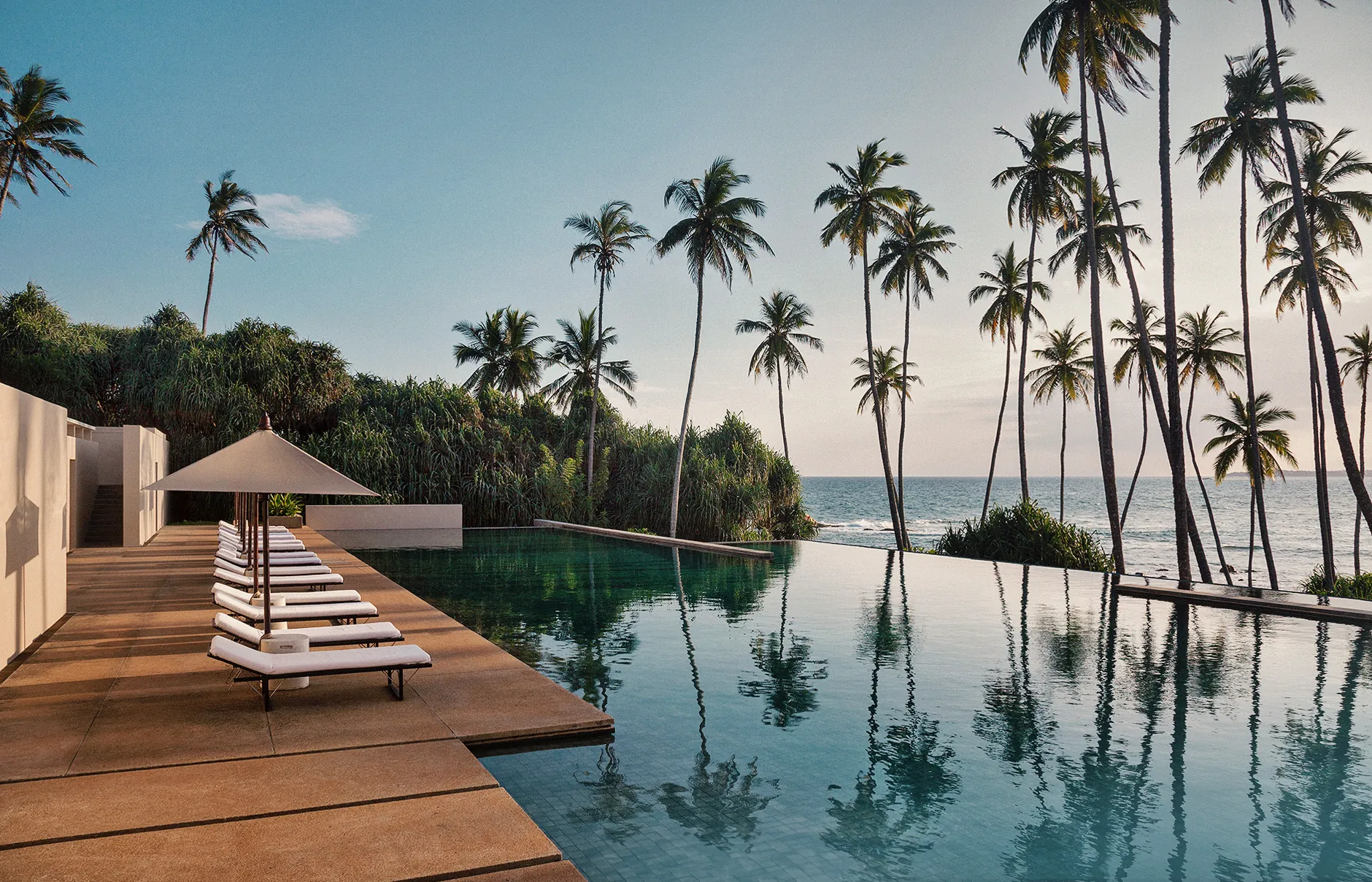
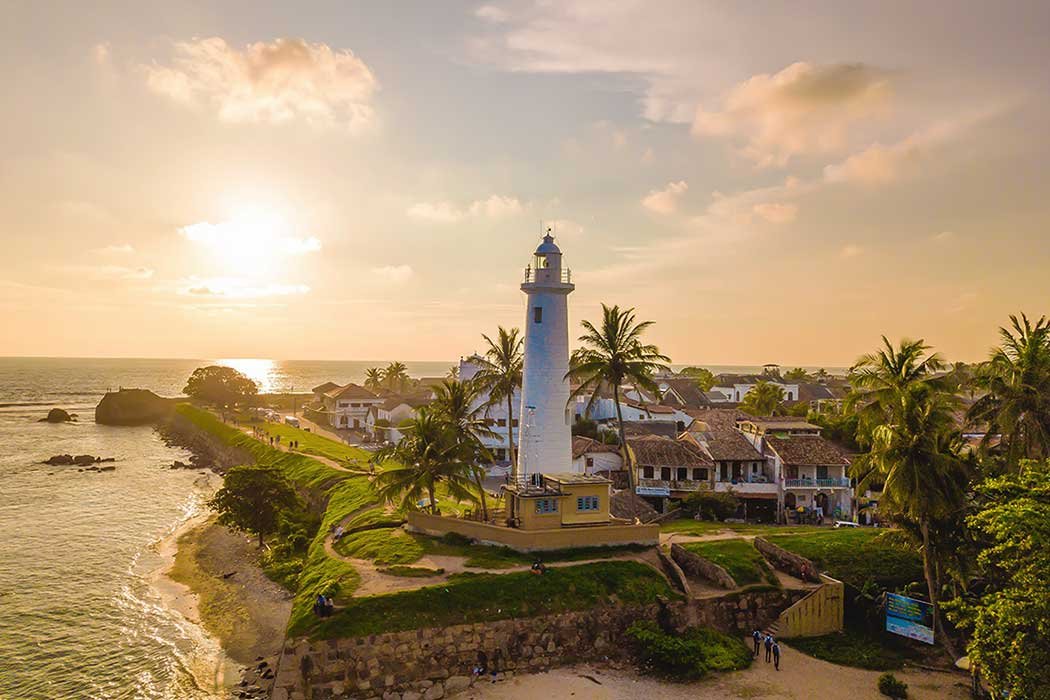
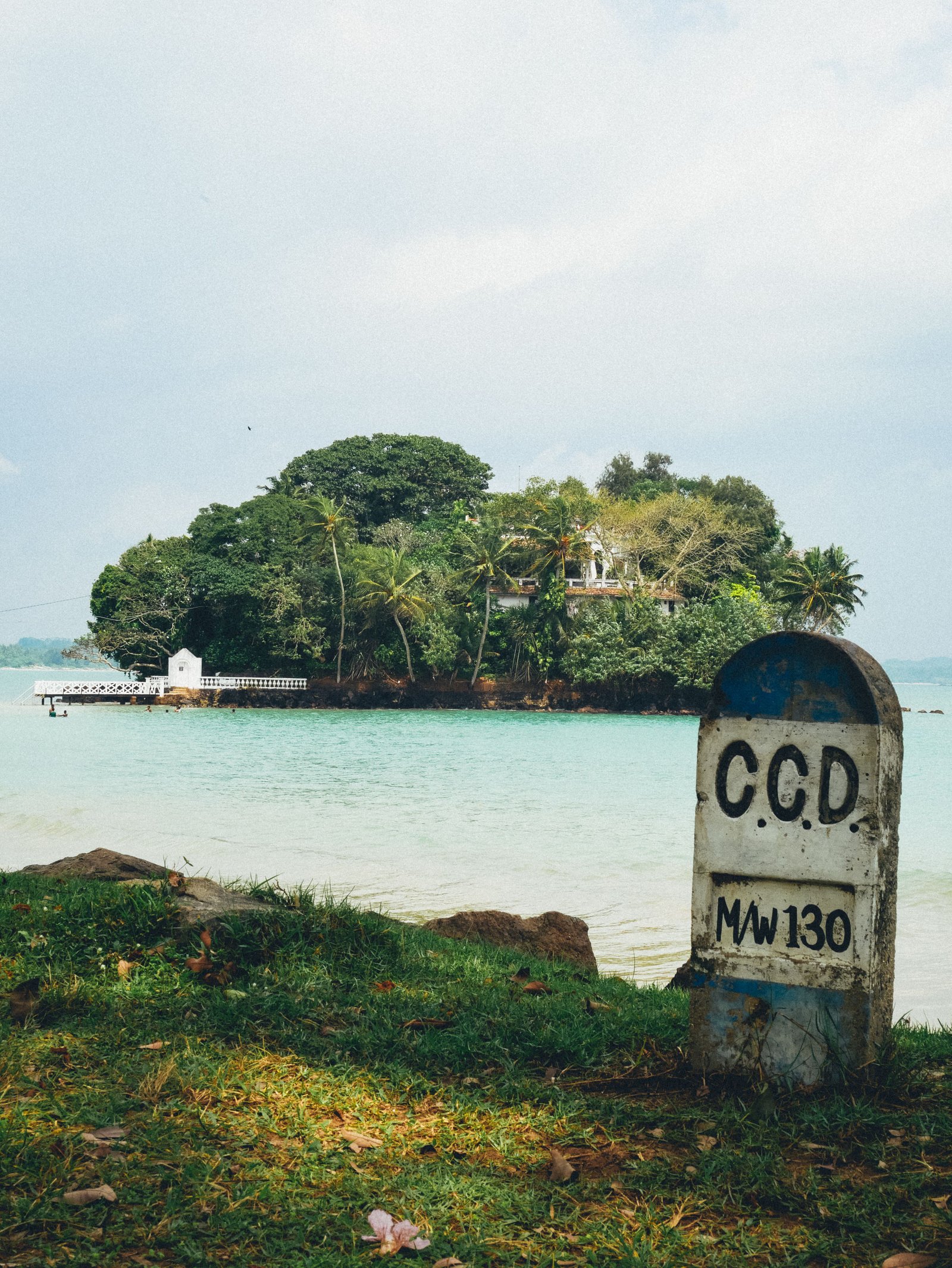
The south coast is made for slow days. Weligama, Mirissa, Unawatuna and Tangalle offer long beaches, calm lagoons and hammocks strung between palms, especially in the dry months. In the opposite season, the east coast, including Trincomalee, Passikudah and Arugam Bay, takes over with quiet sand and gentle sea. Long breakfasts, slow swims and an afternoon book are the whole agenda.
Tea country mornings
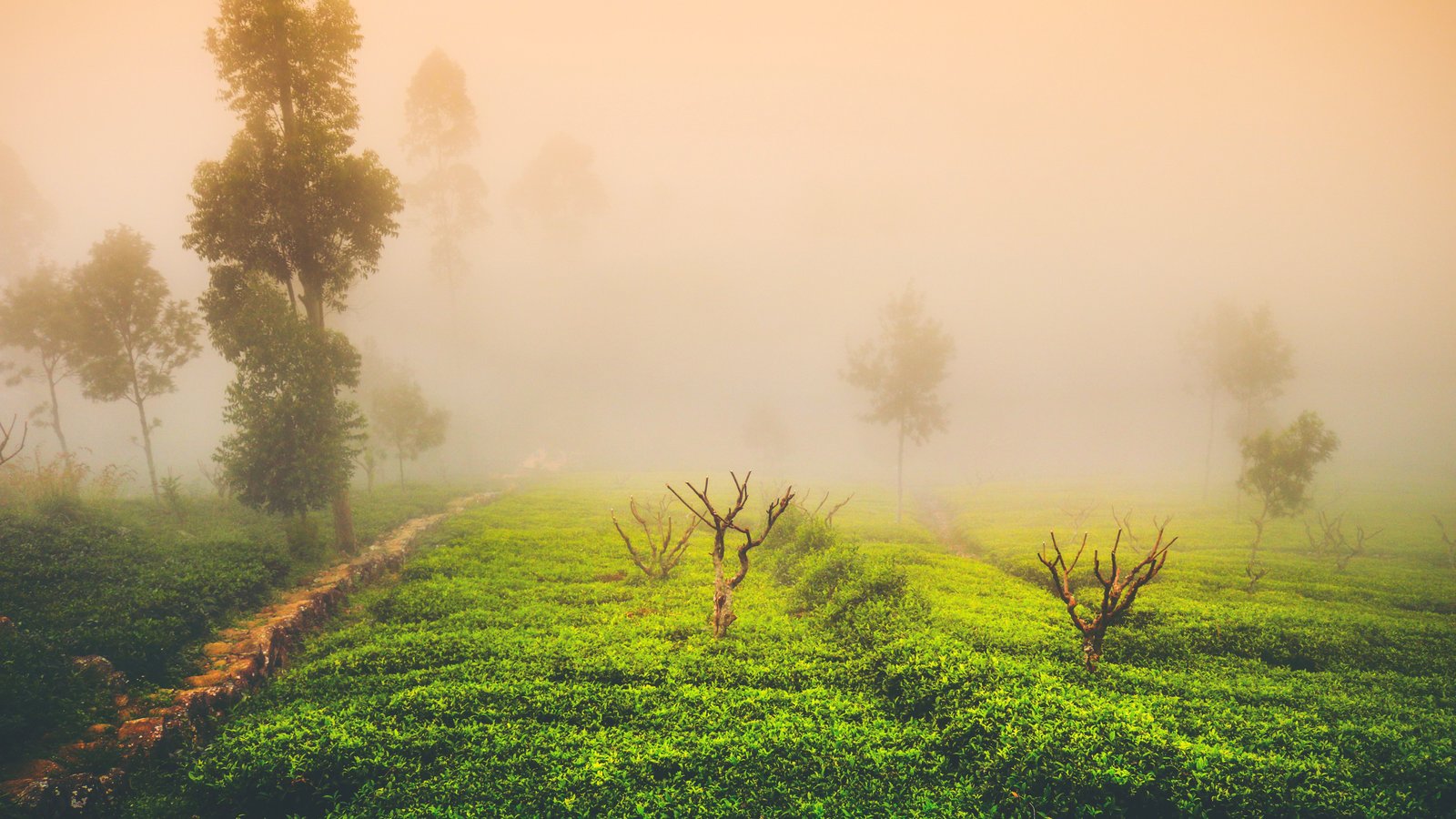
The hill country is where slow travel feels most natural. Nuwara Eliya, Ella, Haputale and Hatton offer misty verandas, tea tasting, short walks to viewpoints and cosy evenings as the fog rolls in. Mornings here are for a pot of tea and a view, and the pace sets itself.
Lakeside and hill town calm
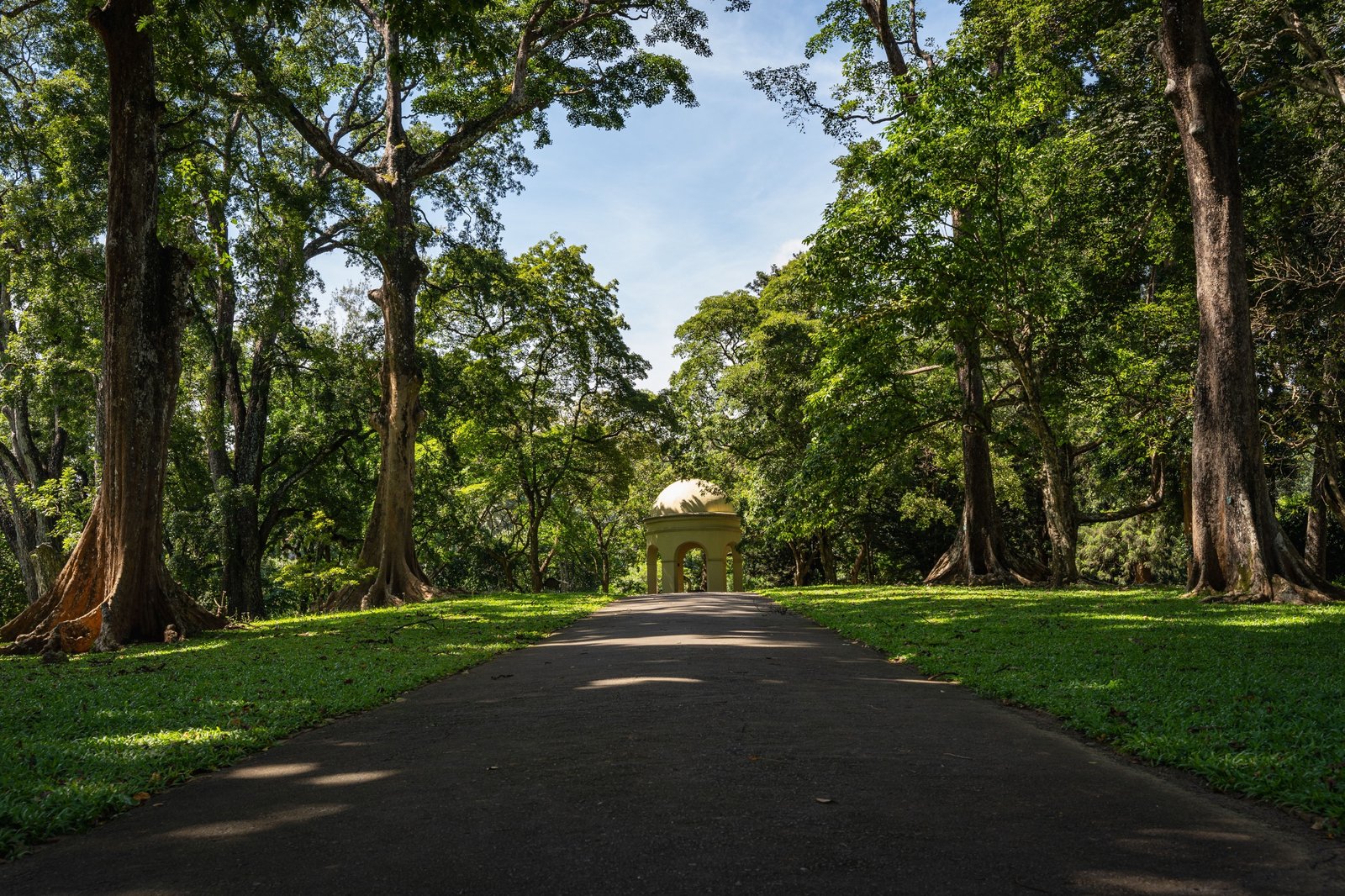
Kandy's lake, the quieter corners around the town, and the Knuckles Range homestays offer a different kind of stillness, away from the main sights. A slow morning by the water or a gentle hill walk is often the most remembered part of a trip.
Villa and homestay living
Longer stays in private villas, bungalows and family run homestays change the feel of a trip entirely. Home cooked meals, a garden to sit in and hosts who have time to talk turn accommodation into the experience itself, rather than just a place to sleep.
Wellness and Ayurveda
Sri Lanka has a long tradition of Ayurveda, and many stays offer gentle spa days, massage and wellness experiences presented as relaxing, optional additions to a slow trip. We do not make medical claims about these practices. Think of them as a way to rest and unwind, arranged on request and confirmed with each stay.
Nature at a slow pace
Nature rewards a slow approach. Birdwatching, short hikes, paddy field walks, river and lagoon boat rides, and relaxed safaris all suit an unhurried day. Park rules and seasons vary, so check current conditions before you go, and our Sri Lanka safari guide covers the main parks.
Food as a slow activity
Food is one of the best slow activities on the island. Cooking classes, market visits, rice and curry at a local home, and tea and spice gardens all turn a meal into an experience. Taking time over food is part of how Sri Lanka is meant to be enjoyed.
Rail and road, slowly
One scenic train ride between bases is often the most memorable day of a slow trip, and unhurried drives with stops along the way turn transfers into part of the journey. Our Sri Lanka train rides guide covers the best rail legs and how to book.

Slow travel for different travellers
Slow travel adapts to who you are travelling with. Here is how it suits different groups, with a respectful note on needs that matter.
- Couples and honeymooners. Private villas, tea country calm and quiet beaches make a relaxed, romantic pace. A Sri Lanka honeymoon itinerary relaxed around two or three bases feels far more special than a rushed circuit.
- Families with children. Longer stays give children space to play and rest, and a pool or garden turns a base into a holiday in itself. A Sri Lanka family relaxing holiday works best with fewer moves and more empty afternoons.
- Older travellers. Gentle pacing, comfortable transfers and accessible stays make the island enjoyable without strain. Day trips with the option to rest suit this style well.
- Remote workers on longer stays. A two week Sri Lanka itinerary with a reliable base, good wifi and quiet surroundings lets you work and travel slowly at the same time.
- Solo travellers. Slow travel is naturally suited to solo exploration, with time to meet people and the flexibility to follow your own rhythm.
- Groups of friends. A shared villa base, with day trips and long evenings together, turns a group trip into something closer to a holiday home than a tour.
A respectful note: family friendly and privacy minded stays, including halal friendly and vegetarian dining options, can be built into any slow plan. Tell us your needs at the start so they shape the route rather than being patched in later. Our Sri Lanka halal travel guide goes deeper on this.
A sample 12 day slow journey
Here is an example of a relaxed 12 day route, built around four bases, one scenic train leg, a wildlife stop and several unscheduled beach days. It is an example only, and The SL Planner customises every journey to your dates, season and interests.
| Days | Base | What to do | The lazy part |
|---|---|---|---|
| Day 1 | Near the airport or Colombo | Arrive, settle in and rest. A gentle walk and an easy first meal. | Recover from the flight with no plans at all. |
| Days 2 to 4 | Hill country base (Kandy, Nuwara Eliya or Ella) | A scenic train leg, tea tasting, a short walk and one cultural sight. | Misty veranda mornings with a pot of tea. |
| Days 5 to 6 | A wildlife stop (Yala or Udawalawe) | One relaxed safari at a quiet hour and slow evenings in nature. | Long lunches and hammock time between drives. |
| Days 7 to 12 | South coast base (Weligama, Mirissa, Unawatuna or Tangalle) | A few unscheduled beach days, a cooking class and a gentle walk. | Several days with nothing booked at all. |
This is a sample only. The SL Planner shapes every slow journey to your group, dates and the season for each region.
Slow travel across the seasons
Slow travel works year round in Sri Lanka, because each season has a coast or region at its best. When the south and west are wet, the east is usually sunny, and the reverse. That means a relaxed plan is always possible, you simply choose the coast that matches your dates. The hill country is greenest after rain and clearest in the drier months, and the cultural triangle stays visitable across much of the year.
For a full month by month view of which coast to pick, read our 365 day Sri Lanka guide. Conditions vary by year, so treat the seasons as a guide and check current forecasts before you travel.
How The SL Planner makes slow travel work
Slow travel needs careful planning to feel effortless. Here is what we do to make a relaxed journey actually work, from the first base to the last unscheduled beach day.
A route with room to breathe
Fewer bases, sensible drive times and built in rest days so the journey never feels rushed.
Handpicked stays made for lingering
Villas, bungalows, boutique hotels and homestays chosen for atmosphere, comfort and a sense of place.
Season smart planning
We place you on the right coast and region for your dates, so slow travel works in any month.
Private drivers and relaxed transfers
Comfortable vehicles and vetted drivers, with unhurried drives and stops along the way.
Scenic train bookings
Seats reserved on the best rail legs, like Kandy to Ella, so the journey stays easy and unhurried.
Wellness and experience arrangements
Ayurveda stays, cooking classes, nature walks and cultural moments booked for you, on request.
Halal friendly, vegetarian and family friendly planning
Dining, prayer aware scheduling and privacy needs considered at every stop.
Flexible plans
Easy to extend a stay if you fall in love with a place, or to adjust when the weather shifts.
One point of contact and trip support
One team to message throughout the trip, for questions, changes and quiet help when you need it.
What our travellers say
Travellers tell us the little details are what made their trip. This is a message we received after a journey, shared here with permission and without editing.
“Meticulously planning every moment” Mert, Turkey
I would like to express my sincere gratitude to Nashath and his team. For meticulously planning every moment of what could be considered a long vacation, for staying in touch throughout the trip, and for being available whenever we had a question. I would also like to thank him for introducing us to our reliable driver. In summary, Nashath and his company, whom I met on Instagram and wrote to, played a huge role in making our vacation unforgettable. We are so glad you are there.
Planning a relaxed trip like Mert’s? Tell us your dates and we will build your slow journey.
Frequently asked questions
How many days do I need for slow travel in Sri Lanka?
Slow travel usually needs at least 10 days, and 12 to 14 days is ideal for three to five bases. With fewer days, choose two bases and keep drives short. The right length depends on how much unscheduled time you want, and we can shape a plan to your dates.
Is Sri Lanka good for a relaxing holiday?
Yes. Sri Lanka has quiet beaches, calm tea country, gentle nature and warm hospitality, all close together on a compact island. With the right route and longer stays, it is an excellent place to relax and do very little.
Where are the quietest places in Sri Lanka?
The tea country around Ella, Haputale and Hatton, the Knuckles Range, the east coast outside peak surf weeks, and quieter south coast corners like Tangalle are usually calm. We can point you to the quietest spot for your season.
Can I combine tea country and beaches in a slow trip?
Yes. A relaxed route often pairs a hill country base with a south or east coast base, joined by one scenic train leg. Choosing the right coast for your season keeps both halves of the trip sunny.
Is slow travel more expensive?
Not necessarily. Slow travel often means fewer transfers and longer stays, which can balance out across a trip. Costs depend on the trip itself, the season and the standard of stays, and we are happy to talk through options for your dates so you can compare honestly.
Is slow travel good for families and honeymooners?
Yes. Families enjoy longer stays with space to play and rest, while couples and honeymooners enjoy private villas, tea country calm and quiet beaches. Halal friendly, vegetarian and privacy minded stays can all be built in.
Can I extend my stay along the way?
Yes. Slow plans are built to flex, and if you fall for a place we can usually extend a stay or adjust the next leg. Tell us early so we can hold rooms and transport where possible.
Plan your slow Sri Lanka journey
The best moments in Sri Lanka tend to happen when you stop moving. A misty morning on a tea veranda, a long lunch by the lagoon, an empty afternoon with no plans at all. Slow travel is how you make room for those moments, and a well paced route is what makes them possible.
Tell us your dates, your group and how much unscheduled time you want, and we will come back with a relaxed route, a shortlist of stays made for lingering and the honest advice you need to decide. You can also contact us directly, or explore more ideas in our affordable luxury guide, our Serendib and Cultural Triangle journey, our OTA vs local planner guide, and our Sri Lanka vs Thailand vs Vietnam comparison.
Last updated: October 23, 2026. Conditions, park rules and availability vary and are confirmed during planning. For official island wide guidance, the Sri Lanka Tourism Development Authority publishes destination information, and Sri Lanka Railways lists current train services.