
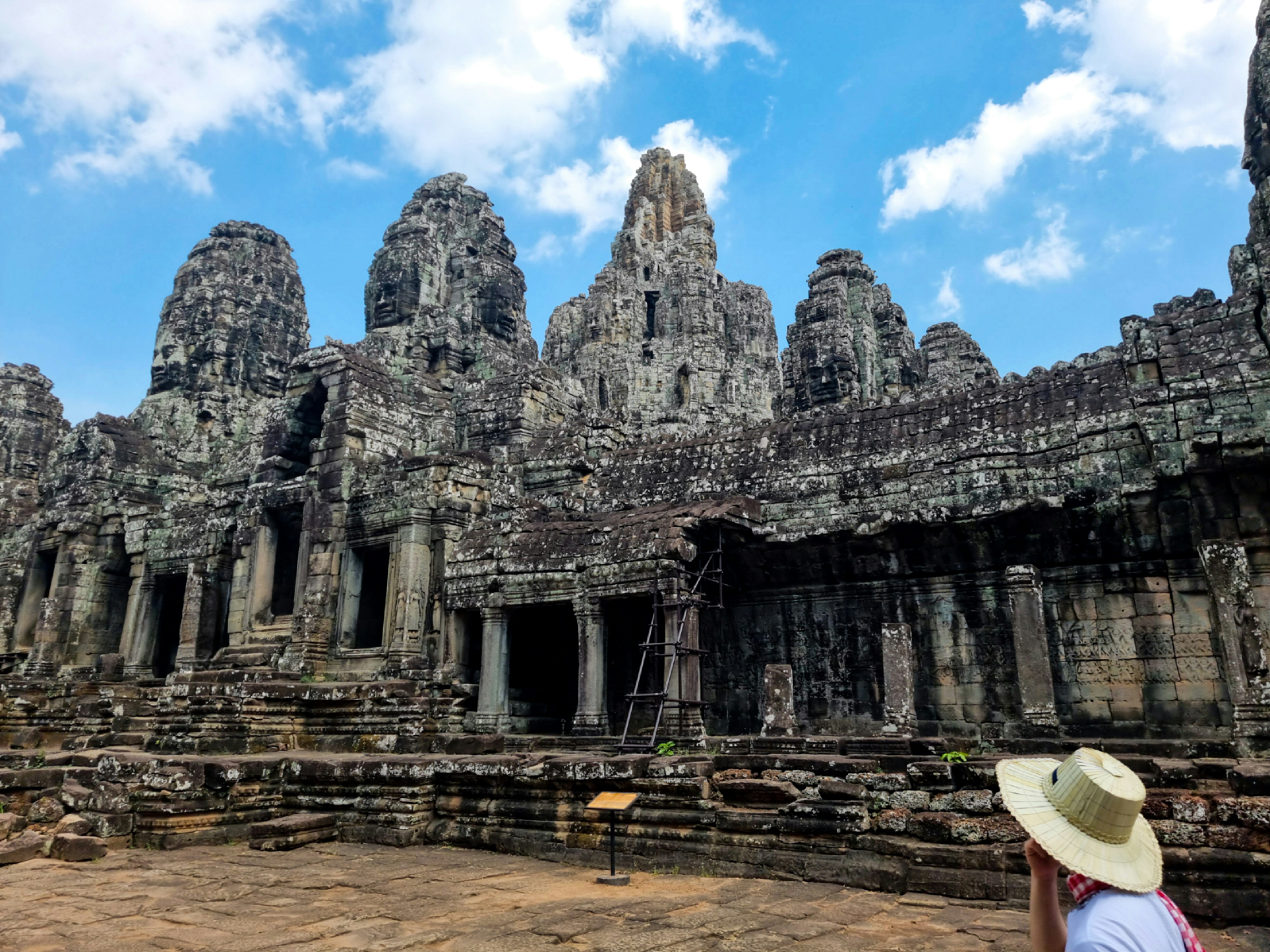
Navigating Sri Lanka: Monsoons, Modest Attire, and Historic Sites
A practical guide to planning your itinerary around seasonal weather and understanding local cultural expectations.
Quick summary of weather and wardrobe
Sri Lanka's tropical climate is dictated by two distinct monsoon seasons, dividing the island's ideal travel times. Alongside navigating the weather, visitors must also navigate deeply rooted values of modesty.
May to September
The Southwest monsoon brings rain to the west and south coasts, making the east coast the better choice for beach travel.
October to January
The Northeast monsoon brings rain to the north and east, making the south and west coasts ideal for travel.
Cultural Rule
Shoulders and knees must be completely covered at all religious and ancient historic sites across the island.
Footwear Etiquette
Shoes, sandals, and hats must be removed before entering any temple grounds or sacred ruin platforms.
Understanding the dual monsoon system
Sri Lanka's weather doesn't follow a simple summer/winter pattern. Instead, it is governed by two separate monsoon systems that impact opposite sides of the island at different times of the year.
If you're visiting between December and April, the southwestern coast, including destinations like Galle and Mirissa, offer calm seas and sunny skies. Conversely, from May to September, the eastern coast around Arugam Bay and Trincomalee becomes the prime spot for sunshine and surfing.
Transitioning between these zones can be complex depending on your travel dates. The SL Planner can help organize transportation and craft an itinerary that chases the sun, ensuring you don't get washed out during your holiday.
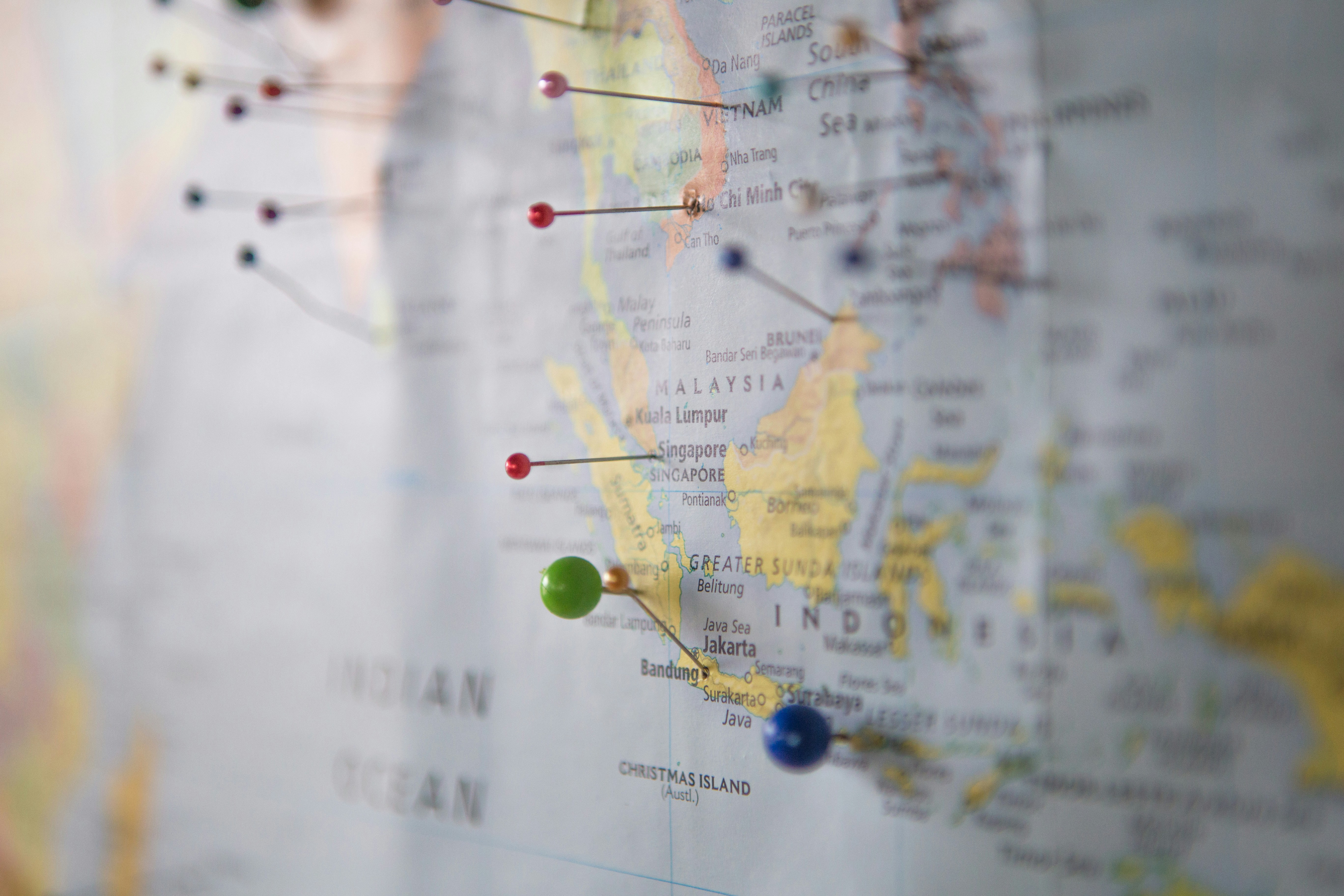
Modesty expectations across different environments
What is perfectly acceptable on a tourist beach can be deeply offensive just a few miles inland. Understanding the shifting expectations of modesty is crucial for respectful travel.
Temples and Historic Sites
- Loose-fitting clothing
- Shoulders and knees fully covered
- White or light-colored clothing preferred
- No caps or hats on sacred grounds
- No footwear past the designated drop points
- No sheer or see-through fabrics
Public Beaches
- Standard swimwear is acceptable on tourist beaches
- Rash guards recommended for intense sun/surfing
- No nude or topless sunbathing anywhere in Sri Lanka
- You must cover up immediately when leaving the sand (e.g., walking to a café or road)
Cultural Triangle Ruins
- Long pants or long skirts (maxi length)
- T-shirts or blouses covering the shoulders
- No hats or footwear allowed when stepping onto specific sacred platforms within the ruins
Local Coastal Towns
- Modest casual clothing when walking through town centers
- T-shirts and knee-length shorts are generally fine for men and women
- Respect local customs; wandering through local markets in a bikini top or bare-chested is highly frowned upon
| Location Type | Shoulders Covered | Knees Covered | Footwear Allowed |
|---|---|---|---|
| Ancient Temples | No | ||
| Cultural Triangle Ruins | Yes (except platforms) | ||
| Coastal Resorts | Optional | Optional | |
| Local Coastal Towns | Preferred |
How to pack for a combined historic and beach trip
Balancing your luggage between tropical beachwear, modest temple attire, and monsoon preparedness doesn't have to be difficult. Follow this checklist:
Secure a lightweight rain jacket or sturdy umbrella
Monsoon showers are often sudden. A heavy coat will make you sweat instantly in the humidity. Opt for a breathable, unlined rain shell or a compact umbrella.
Pack multiple pairs of long, breathable trousers or maxi skirts
Cotton or linen is your best friend. These will protect your legs from mosquitoes in the evenings and fulfill modesty requirements at religious sites.
Bring a lightweight scarf or sarong in your daypack
Even if you set out wearing shorts or a tank top, having a sarong allows you to quickly cover your shoulders or wrap around your waist if you spontaneously visit a temple.
Choose slip-on shoes or sandals
Since you will be constantly removing your footwear at temples and homes, shoes with complex laces become a hassle. Comfortable slip-ons are the practical choice.
Plan a balanced, stress-free journey
Don't let monsoon guessing games or dress code worries hold you back. The SL Planner specializes in seasonal planning and cultural navigation, ensuring your Sri Lankan adventure is seamless from coast to coast.
Frequently asked questions about weather and etiquette
Keep Exploring
More stories and guides for your journey.

Is Sri Lanka Safe? An Honest Guide for Solo Travellers, Women, Solo Parents, Families and Everyone Else
A calm, honest answer to whether Sri Lanka is safe, with practical tips for every kind of traveller and how careful planning lowers risk.
Quiet Luxury in Sri Lanka: Wellness Spaces, Ayurveda, Reflexology and the Art of Private, Unhurried Stays
Luxury is changing, and the most sought after stays are the quietest. See how Sri Lanka does private villas, Ayurveda retreats, spa pavilions and total privacy.
Train Rides in Sri Lanka: The Complete Guide from Colombo to Badulla and Beyond
Your guide to Sri Lanka’s best train rides, from Colombo to Badulla, plus the heritage sites you can reach by rail and how to book seats.