
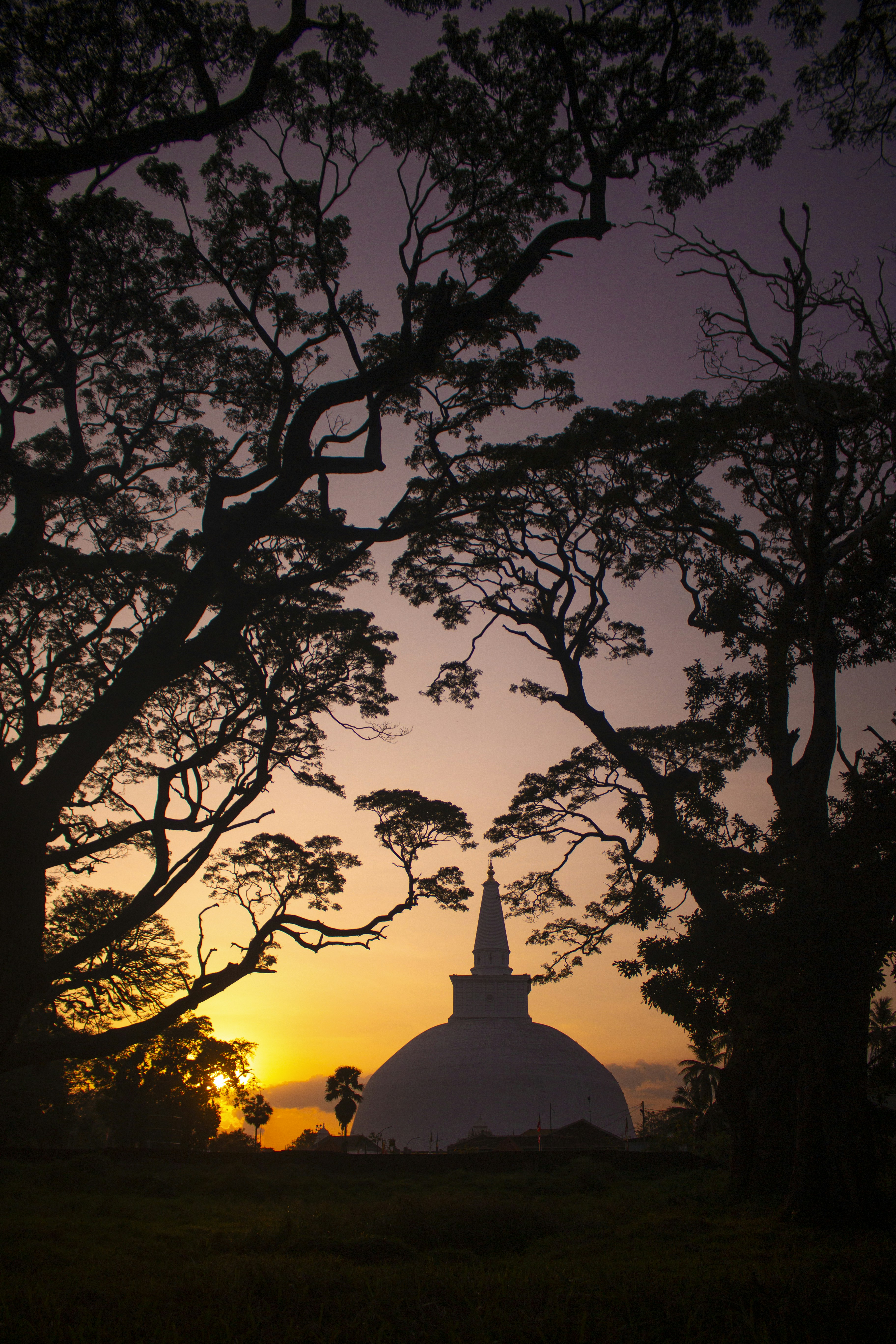
Anuradhapura: The Ancient Capital
Sacred stupas, ancient ruins, and the birthplace of Sri Lankan Buddhism.
Quick Overview
Why it Matters
The oldest and most expansive ancient city in Sri Lanka.
Ideal Duration
1 to 2 nights to cycle the ruins and visit Mihintale.
Best Season
May to September, in Sri Lanka's dry zone.
Primary Vibe
Spiritual, vast, and historical.
Welcome to Anuradhapura: Sri Lanka's Ancient Sacred City
Anuradhapura is one of the oldest continuously inhabited cities in the world and served as Sri Lanka's first great capital for well over a thousand years. Today it is a UNESCO World Heritage Site, home to enormous ancient stupas, sprawling monastic ruins, and sacred trees, set within a spread-out, green, and remarkably peaceful landscape. For Muslim travelers from the Middle East, Malaysia, Singapore, and Indonesia interested in history and archaeology, Anuradhapura is an essential stop, and as a long-established regional city, it also offers reasonably good access to halal food and mosques compared to some of Sri Lanka's smaller heritage towns.
This guide covers everything you need for a halal-conscious visit to Anuradhapura, including halal food, mosques and prayer facilities, Muslim-friendly stays, and how to explore this vast ancient city comfortably.
Why Anuradhapura Is a Meaningful Stop for Halal-Friendly Sri Lanka Travel
Anuradhapura's ruins span a huge area, and some of its ancient stupas rank among the tallest brick structures in the ancient world, rivalling the pyramids of Egypt in scale. For travelers interested in history, archaeology, and understanding the deep roots of South Asian civilization, this is one of Sri Lanka's most rewarding destinations.
As a functioning modern city and regional hub in the North Central Province, Anuradhapura has a resident population large enough to support a genuine local economy, including a Muslim community with its own mosques and halal food establishments, distinguishing it from smaller, purely tourism-driven towns like Sigiriya or Ella.
Halal Food in Anuradhapura: Where to Eat
Anuradhapura town centre has local restaurants and food stalls serving Sri Lankan rice and curry, biryani, and short eats, with halal meat commonly used given the presence of the local Muslim community.
New Town areas around the modern city centre offer a broader range of dining, including some restaurants more accustomed to tourist groups, where halal awareness is generally reasonable but still worth confirming directly.
Hotels near the Sacred City, many properties catering to both pilgrims (Buddhist visitors from across Sri Lanka and abroad) and international tourists, are used to accommodating a range of dietary requests, including halal meals, particularly larger hotels that host tour groups.
Tips for halal dining in Anuradhapura
- •As with other regional Sri Lankan cities, look for restaurants in or near areas with a visible local Muslim community for the most reliably halal food.
- •Vegetarian dishes are widely available given the large number of Buddhist pilgrims visiting the Sacred City, and are a safe default if unsure about a kitchen's halal status.
- •Confirm halal breakfast arrangements with your hotel in advance, especially if you plan an early start to beat the heat while exploring the ruins.
Mosques and Prayer Facilities in Anuradhapura
Anuradhapura has mosques serving its local Muslim community, generally located within the town centre and accessible from most accommodation options in the city. As a larger regional hub compared to smaller heritage towns nearby, Anuradhapura offers more reliable mosque access, making it easier to plan prayer times around your sightseeing schedule.
Because the ancient city and its ruins are spread across a large area, it's worth planning your day with return trips to town or your hotel in mind, both to rest from the heat and to allow time for prayer at a mosque or your accommodation.
Muslim-Friendly Accommodation in Anuradhapura
Anuradhapura's accommodation includes hotels catering to Buddhist pilgrims, international tourists, and business travelers, given its role as a regional administrative centre. For Muslim travelers:
- •Larger hotels in the town centre are more likely to offer halal meal options and are generally within reasonable distance of a mosque.
- •Ask about air-conditioned rooms and early breakfast options if you plan to start sightseeing before sunrise to avoid the midday heat, which can be intense in this drier region of Sri Lanka.
- •Confirm any modest dress or gender-separated facility needs directly with your hotel, as awareness varies by property size and experience hosting Middle Eastern or Southeast Asian guests.
Top Halal-Friendly Things to Do in Anuradhapura
From towering brick stupas to the sacred Bodhi tree, here are the highlights to build into your route through the Sacred City.
Ruwanwelisaya Stupa
One of the most important and visually striking stupas in Anuradhapura's Sacred City, a massive white dome that remains an active site of Buddhist worship. A culturally significant stop, requiring modest dress and shoes removed near the stupa itself.
Jetavanaramaya
Once one of the tallest structures in the ancient world, this enormous brick stupa is a powerful reminder of Anuradhapura's historical scale and engineering.
Sri Maha Bodhi
Said to be grown from a cutting of the original Bodhi tree under which the Buddha attained enlightenment, this sacred tree is one of the oldest documented trees in the world and a deeply important pilgrimage site.
Abhayagiri Monastery ruins
A sprawling monastic complex with ancient pools, statues, and meditation platforms, offering a quieter, more contemplative experience than the busier central stupas.
Isurumuniya Rock Temple
Known for its rock carvings and a peaceful setting near a small lake, a good stop for families wanting a shorter, more manageable site to explore.
Twin Ponds (Kuttam Pokuna)
An impressive example of ancient Sri Lankan engineering and bathing pool architecture, worth a stop for those interested in archaeology and ancient urban planning.
Getting to and Around Anuradhapura
Anuradhapura is roughly 4 to 4.5 hours from Colombo by road, and it's often combined with Polonnaruwa, Sigiriya, and Dambulla on a broader Cultural Triangle itinerary. Many halal-conscious travelers use a private driver, allowing flexibility for prayer breaks and halal meal stops en route.
Because Anuradhapura's ancient sites are spread across a large area, hiring a tuk-tuk, bicycle, or private car for the day is strongly recommended rather than attempting to walk between sites, especially given the heat.
Best Time to Visit Anuradhapura for Muslim Travelers
Anuradhapura sits in Sri Lanka's dry zone, with the most comfortable travel months generally from May to September, avoiding the wetter months associated with the northeast monsoon later in the year. Given the heat and the size of the ancient city, early morning visits are strongly recommended, both for comfort and to allow time for a midday prayer and rest break before continuing in the late afternoon.
Sample Full-Day Halal Itinerary for Anuradhapura
A practical day plan that balances exploration with prayer, rest, and halal dining.
Early morning
Visit Ruwanwelisaya Stupa and Sri Maha Bodhi before the heat intensifies.
Mid-morning
Explore Jetavanaramaya and the Abhayagiri Monastery ruins.
Midday
Prayer break at a local mosque or your hotel, followed by lunch in the town centre.
Afternoon
Rest during the hottest part of the day, or visit Isurumuniya Rock Temple and the Twin Ponds at a more relaxed pace.
Evening
Dinner at your hotel or a halal-friendly restaurant in town, with an early night if continuing to Polonnaruwa or Sigiriya the next day.
Why Book Your Anuradhapura Stop Through The SL Planner
Anuradhapura's vast, spread-out ruins reward careful planning, knowing which sites to prioritize in the cooler morning hours, where to find genuinely halal food in town, and how to structure the day around prayer and rest breaks in the heat. The SL Planner incorporates Anuradhapura into your wider Cultural Triangle itinerary with these logistics already handled, so you can focus on experiencing one of the ancient world's great cities.
Ramadan in Anuradhapura
Travelers visiting during Ramadan will find Anuradhapura's local Muslim quarter maintains its own quiet rhythm around iftar and suhoor, even though the city's identity is dominated by Buddhist pilgrimage. Restaurants near the mosque areas typically extend evening hours, and it is worth asking your hotel whether they can adjust breakfast timing to support an early suhoor before a pre-dawn start to the ruins, which is in any case the most comfortable time to explore given the region's heat.
Local Etiquette and Dress Code for Anuradhapura's Sacred City
Because Anuradhapura's stupas and Bodhi tree are active religious sites for Buddhist pilgrims, modest dress is required throughout the Sacred City, with shoulders and knees covered, and shoes and socks removed before stepping onto the sacred sand platforms surrounding the stupas. This dress code aligns closely with modest dress norms already familiar to travelers from the GCC, Malaysia, Singapore, and Indonesia, making Anuradhapura one of the more comfortable ancient sites to visit respectfully. Bring a scarf or shawl if you prefer additional coverage, and lightweight, closed-toe sandals that are easy to slip on and off are ideal, since bare feet are required at several points around the stupas.
Practical Tips for GCC, Malaysian, Singaporean, and Indonesian Travelers
- •Anuradhapura's dry-zone heat can be intense by late morning, so plan sightseeing in two blocks, early morning and late afternoon, with a midday break for prayer, lunch, and rest, similar to how many Gulf travelers already structure their day during summer months at home.
- •Sunscreen, a hat, and a refillable water bottle are essential given the amount of walking or cycling involved in covering the Sacred City's spread-out sites.
- •If travelling with elderly family members, consider hiring a tuk-tuk or private car with a driver for the day rather than walking between sites, as distances within the ancient city are larger than they first appear on a map.
- •English is widely spoken by hotel staff and guides in Anuradhapura, though a local guide familiar with explaining Buddhist history to a Muslim audience can add valuable context without any discomfort around religious content.
Combining Anuradhapura With the Rest of the Cultural Triangle
Anuradhapura is often visited as either a full day trip from Sigiriya or Dambulla, or as a dedicated overnight stop for travelers who want more time to properly absorb the scale of the ancient city. If your itinerary is tight, prioritize Ruwanwelisaya, Sri Maha Bodhi, and Jetavanaramaya, which together capture the essence of the Sacred City in half a day, leaving the afternoon free for Abhayagiri or a more relaxed pace at Isurumuniya.
What to Pack for Exploring Anuradhapura
Given the size of the ancient city and the dry-zone heat, comfortable walking or cycling shoes that are easy to remove (since footwear is not permitted near the stupas) make a real difference to your comfort throughout the day. A light scarf, sunhat, and reusable water bottle are essential, and many visitors find a small backpack useful for carrying snacks, sunscreen, and a spare set of socks for the many bare-sand sections around the sacred sites.
Frequently Asked Questions About Halal Travel in Anuradhapura
Book Your Anuradhapura Experience
Organize guided cycling tours of the ancient city.