
Polonnaruwa: The Medieval City
Compact ruins, magnificent stone carvings, and ancient engineering.
Quick Overview
Why it Matters
Features the incredible Gal Vihara rock carvings and well-preserved palaces.
Ideal Duration
1 night, or visited as a day trip from Sigiriya/Habarana.
Best Season
January to April, and July to September.
Primary Vibe
Fascinating, compact, and educational.
Welcome to Polonnaruwa: Sri Lanka's Best-Preserved Ancient Capital
Polonnaruwa is Sri Lanka's second ancient capital, and many travelers consider it the most rewarding of the Cultural Triangle's archaeological sites, thanks to its compact layout, well-preserved ruins, and the shade provided by surrounding parkland. For Muslim travelers from the Middle East, Malaysia, Singapore, and Indonesia, Polonnaruwa offers an accessible, manageable history stop that pairs naturally with Sigiriya and Anuradhapura, with a level of halal food and prayer access that reflects its role as an established regional town.
This guide covers everything you need for a halal-conscious visit to Polonnaruwa, including halal food, mosques and prayer facilities, Muslim-friendly stays, and how to make the most of your time exploring this remarkable UNESCO World Heritage Site.
Why Polonnaruwa Is One of the Most Visitor-Friendly Ancient Cities in Sri Lanka
Unlike Anuradhapura's vast, spread-out ruins, Polonnaruwa's ancient city is more compact and considerably easier to explore in a half-day or full-day visit, particularly by bicycle, which is one of the most popular and enjoyable ways to see the site. This makes Polonnaruwa an efficient, family-friendly stop on a Cultural Triangle itinerary, especially for travelers who want a meaningful historical experience without the physical demands of a full day walking under the sun.
Polonnaruwa is also a functioning modern town with its own local economy, including a Muslim community and the accompanying halal food and mosque infrastructure that comes with it, making it more manageable for halal-conscious travelers than some of the smaller, purely tourist-driven towns nearby.
Halal Food in Polonnaruwa: Where to Eat
Polonnaruwa New Town is the modern commercial centre near the ancient city, offering local restaurants and food stalls serving rice and curry, biryani, and short eats, with halal meat commonly used given the local Muslim community's presence.
Hotels near the ancient city, many properties catering to both domestic and international tourists, are used to accommodating dietary requests, including halal meals, particularly those that regularly host tour groups from the Middle East and Southeast Asia.
Roadside food stalls near the entrance to the archaeological site often sell fresh fruit, drinks, and light snacks, a convenient halal-friendly option to refuel during a long day of cycling or walking through the ruins.
Tips for halal dining in Polonnaruwa
- •Confirm halal status directly with restaurant staff in New Town, as certification signage is less common here than in larger cities like Colombo.
- •Pack water and light snacks for your time cycling through the archaeological site, as food options within the ruins themselves are limited.
- •Ask your hotel about halal breakfast arrangements, particularly if you plan an early start to explore the ruins before the midday heat.
Mosques and Prayer Facilities in Polonnaruwa
Polonnaruwa has mosques serving its local Muslim community, generally located in the New Town area and accessible from most accommodation options in the city. As with Anuradhapura, Polonnaruwa's status as a functioning regional town, rather than a purely tourist-built settlement, means mosque access is more reliable here than in smaller heritage towns like Sigiriya.
Given that exploring the ancient city typically takes a half-day to full day, it's worth planning a midday return to town for lunch and prayer before continuing your exploration in the cooler late afternoon.
Muslim-Friendly Accommodation in Polonnaruwa
Polonnaruwa's accommodation includes hotels and guesthouses in and around New Town, as well as properties closer to the ancient city and the scenic Parakrama Samudra reservoir. For Muslim travelers:
- •Hotels in New Town offer easier access to halal food and mosques compared to more remote properties near the ruins.
- •Ask about bicycle rental arrangements through your hotel, as cycling is the most popular and practical way to explore the spread-out archaeological site.
- •Confirm halal meal options and prayer space directly with your accommodation, particularly for early breakfasts before a sunrise start to beat the heat.
Top Halal-Friendly Things to Do in Polonnaruwa
From rock-carved Buddha statues to ancient reservoirs, here are the highlights to build into your cycling route.
Polonnaruwa Ancient City (UNESCO World Heritage Site)
Explore by bicycle for the most enjoyable experience, covering royal palace ruins, ancient audience halls, and beautifully preserved Buddhist monuments across a shaded, parkland setting.
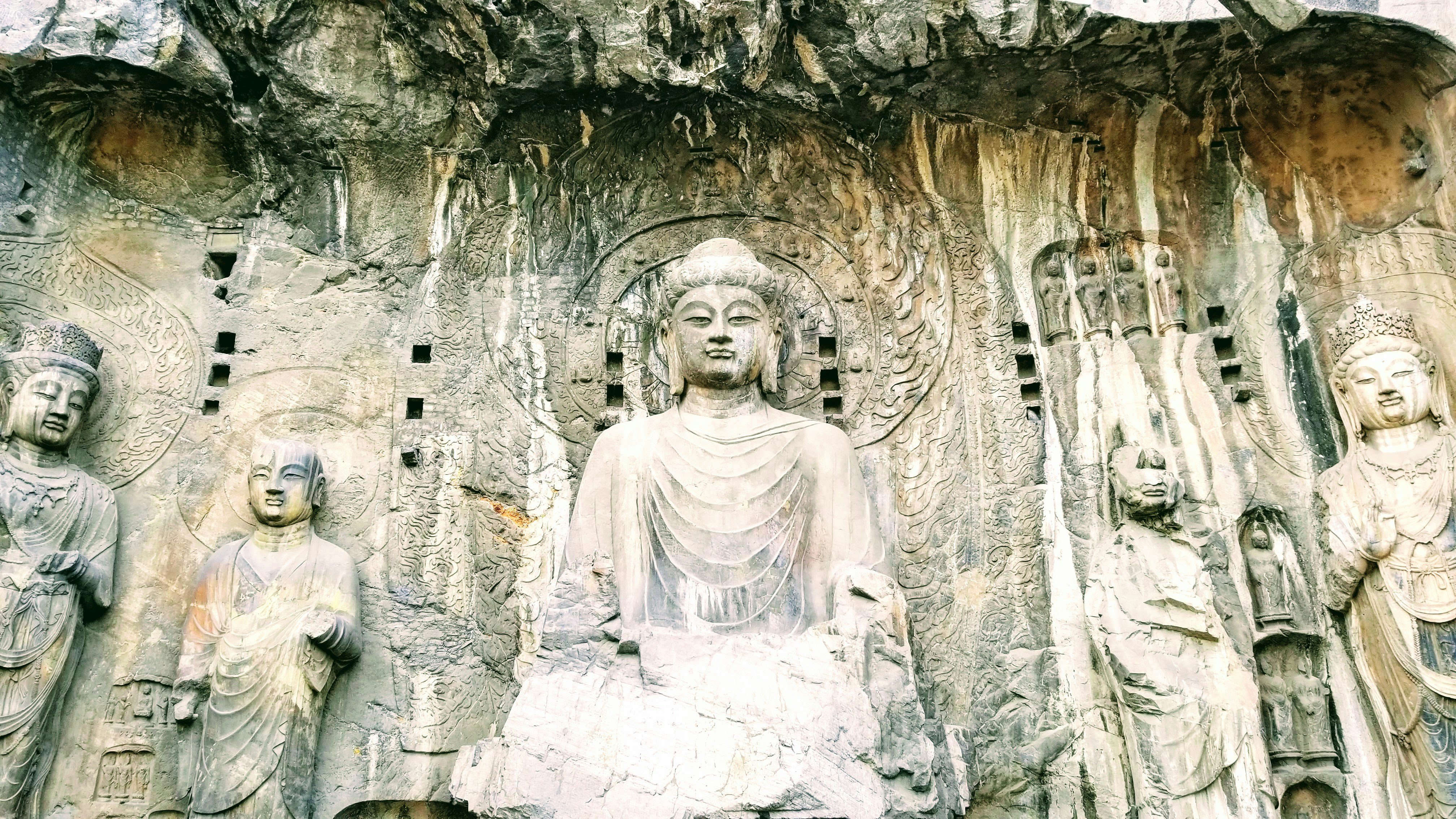
Gal Vihara
A group of four remarkable Buddha statues carved directly into a granite rock face, considered one of the finest examples of ancient Sinhalese rock carving and a highlight of any Polonnaruwa visit.
Royal Palace ruins
The remains of King Parakramabahu's royal palace complex, offering insight into the scale and sophistication of Polonnaruwa during its peak as Sri Lanka's capital.
Parakrama Samudra
A vast ancient reservoir built by King Parakramabahu, still in use today for irrigation. A peaceful spot for a walk or to watch the sunset, with elephants sometimes visible along the shoreline in the early morning or evening.
Polonnaruwa Vatadage
A circular relic house considered one of the finest examples of ancient Sri Lankan architecture, well worth including on a cycling tour of the ruins.
Archaeological Museum
A good starting point for understanding the layout and history of Polonnaruwa before exploring the site itself, useful for families wanting context before a day of cycling.
Getting to and Around Polonnaruwa
Polonnaruwa is roughly 4 to 4.5 hours from Colombo by road, and is commonly combined with Sigiriya, Dambulla, and Anuradhapura on a Cultural Triangle itinerary, or paired with Minneriya and Kaudulla national parks for elephant safaris. Many halal-conscious travelers use a private driver for the journey, allowing flexibility for prayer breaks and halal meal stops en route.
Within the ancient city itself, bicycles are the most popular and practical way to get around, available for rent through most hotels and guesthouses in New Town.
Best Time to Visit Polonnaruwa for Muslim Travelers
Like Anuradhapura, Polonnaruwa sits in Sri Lanka's dry zone, with the most comfortable travel months generally from May to September. Early morning visits are strongly recommended, both to avoid the heat while cycling and to allow time for a midday prayer and rest break before continuing in the cooler late afternoon.
Sample Full-Day Halal Itinerary for Polonnaruwa
A practical day plan that balances exploration with prayer, rest, and halal dining.
Early morning
Rent a bicycle and begin exploring the Royal Palace ruins and Vatadage before the heat intensifies.
Mid-morning
Visit Gal Vihara and the surrounding monastic ruins.
Midday
Return to New Town for prayer at a local mosque and lunch at a halal-friendly restaurant.
Afternoon
Rest during the hottest part of the day, or visit the Archaeological Museum.
Evening
Walk or drive along Parakrama Samudra for sunset, followed by dinner at your hotel or a trusted local restaurant.
Why Book Your Polonnaruwa Stop Through The SL Planner
Polonnaruwa rewards travelers who plan their day around the heat, the cycling route, and the practical details of halal dining and prayer in a smaller regional town. The SL Planner incorporates Polonnaruwa into your wider Cultural Triangle itinerary with these logistics already arranged, from bicycle rentals to halal-friendly lunch stops in New Town, so you can focus on exploring one of Sri Lanka's most beautifully preserved ancient cities.
Ramadan in Polonnaruwa
Polonnaruwa's New Town has a local Muslim community that maintains a modest but genuine Ramadan atmosphere, with mosques hosting nightly taraweeh prayers and some restaurants adjusting hours for iftar. If cycling through the ruins while fasting, plan your route to finish by early afternoon, allowing time to rest, rehydrate after sunset, and pray before the heat and physical activity of a full day of sightseeing become too demanding.
Local Etiquette and Dress Code for Polonnaruwa's Ancient City
As with Anuradhapura, Polonnaruwa's ruins remain active or historically sacred Buddhist sites in places, particularly around Gal Vihara and the Vatadage, so modest dress is expected. Shoulders and knees should be covered, and shoes removed at specific points. This aligns naturally with modest dress practices already familiar to most Muslim travelers, making Polonnaruwa comfortable to explore respectfully without needing special preparation.
Practical Tips for GCC, Malaysian, Singaporean, and Indonesian Travelers
- •Cycling is the best way to see Polonnaruwa, but the midday sun in this dry-zone region can be intense. Start early, take a long midday break for prayer and lunch, and resume in the late afternoon when temperatures drop.
- •Bring a scarf or light shawl that can double as sun protection and a modest covering when visiting religious sites within the ruins.
- •If you prefer not to cycle, tuk-tuks and private drivers can cover the same ground at a more relaxed pace, which may suit families travelling with young children or elderly relatives.
- •Combine your Polonnaruwa visit with an early morning or late afternoon safari at nearby Minneriya or Kaudulla National Park for a full day that balances history with wildlife, both of which involve minimal dietary or religious planning beyond your own packed snacks and water.
Combining Polonnaruwa With the Rest of the Cultural Triangle
Most halal-conscious travelers visit Polonnaruwa as part of a broader Cultural Triangle loop that also includes Sigiriya, Dambulla, and Anuradhapura. A sensible sequence for a halal-friendly itinerary is to base yourself in a central location such as Sigiriya or Habarana for two to three nights, using each day for a different site. One day for Sigiriya and Dambulla, one day for Polonnaruwa, and an optional third day for Anuradhapura or an elephant safari at Minneriya or Kaudulla. This approach minimizes long transfer times between hotels and lets you settle into a single accommodation that already has your halal meal and prayer arrangements confirmed, rather than renegotiating these details at a new hotel every night.
Wildlife and Nature Alongside the Ruins
Beyond its ancient city, Polonnaruwa's Parakrama Samudra reservoir and the surrounding parkland attract a surprising amount of wildlife, including toque macaques, grey langurs, and a wide variety of birdlife, visible even while cycling between the main archaeological sites. Early risers cycling through the ruins at dawn often spot wild elephants near the reservoir's edge before the heat sets in, an unplanned highlight that adds to the appeal of an early start.
Frequently Asked Questions About Halal Travel in Polonnaruwa
Book Your Polonnaruwa Experience
Arrange expert historical guides for your visit.