Quick answer
The short version
Sri Lanka is a popular destination that welcomes millions of visitors and is generally considered manageable for most travellers, including solo travellers, women and families, but like anywhere it carries risks such as petty crime, scams, road and sea hazards and seasonal weather, so travellers should check current official advisories and plan sensibly.
Key takeaways
- Sri Lanka is generally manageable for most travellers, but no trip is risk free.
- The island has faced real difficulties, and Sri Lankans resilience and hospitality are part of why it has recovered.
- Common risks are petty crime, scams, transport, sea hazards, weather, wildlife and health.
- Solo travellers, women, families and older visitors can all travel safely with sensible planning.
- The SL Planner screens vendors, drivers and partners, and stays reachable through the trip.
- Always check current official travel advisories before booking and during travel.
Table of contents
Why people ask this question
Many travellers remember headlines about Sri Lanka and want to know where things stand today. That is a fair and sensible question, and it deserves an honest answer that neither downplays real problems nor exaggerates them. The aim of this guide is to help you decide whether Sri Lanka is safe for you, with calm, practical information rather than fear.
Safety is rarely a simple yes or no. It depends on where you go, how you travel, the season, your own experience and the choices you make on the ground. So instead of a single reassuring line, this guide sets out the background, the real risks, practical advice for different kinds of traveller, and how careful planning lowers, but never removes, risk.
The troubles Sri Lanka has been through
To answer honestly, it helps to acknowledge the difficult periods Sri Lanka has faced. Each of these affected people deeply, and Sri Lankans resilience and hospitality are part of why the island has recovered. We cover them briefly, factually and with respect.
Sri Lanka experienced a long civil conflict that ended in 2009, followed by a long period of peace and reopening to visitors. In 2019, the Easter Sunday attacks shocked the country and affected tourism deeply. During the COVID 19 years, travel to the island largely stopped, as it did across much of the world. In 2022, an economic crisis brought shortages, fuel queues and protests, followed by a period of stabilisation.
We do not sensationalise these events, assign blame to any group, or suggest they are fully behind the country. They are part of Sri Lanka recent story, and they are part of why travellers ask about safety. The honest position is that each period left its mark, and that the warmth and steadiness of Sri Lankan people are a big part of why the island keeps welcoming visitors back.
How Sri Lanka has recovered, and where it stands
In general terms, tourism has returned to Sri Lanka, travel infrastructure and services have reopened, and visitors continue to arrive in large numbers. We do not give arrival numbers or rankings here, because figures change and should be checked against official sources. The practical point is that the island is open, functioning and welcoming travellers again.
The most reliable step you can take is to check the current official travel advisory from your own government before booking, because advice can change. The Sri Lanka Tourism Development Authority publishes destination information, and your own foreign ministry or state department will have a country page for Sri Lanka. Read both before you commit.
The real risks, honestly
The real risks in Sri Lanka are the everyday ones most travel destinations share, plus a few that are specific to a tropical island with winding roads and a powerful sea. None of them should put you off, but all of them are worth knowing. The table below sets out the common risks, what to expect, and what to do.
| Risk | What to expect | What to do |
|---|---|---|
| Petty theft and scams | Overcharging, "special market" touts, gem scams, fake tour offers and unofficial guides. | Agree prices in advance, use reputable providers, and read our shopping guide before buying gems or jewellery. |
| Transport | Tuk tuk fare disputes, busy and winding roads, assertive driving and limited night visibility. | Agree fares or use metered or app based rides, and prefer a private driver over self drive for most visitors. |
| Sea safety | Rip currents and strong surf, especially during the southwest monsoon on south and west coasts. | Swim at patrolled or recommended beaches and follow local guidance and warning flags. |
| Weather and landslides | Monsoon rain, localised flooding and occasional hill country landslides. | Check the season for your coast, follow local advice, and keep plans flexible during heavy rain. |
| Wildlife | Elephants, snakes, monkeys and insects near parks, trails and rural areas. | Keep your distance, never feed animals, and follow your guide inside national parks. |
| Health | Mosquito borne illness such as dengue, stomach upsets, sun and dehydration. | Use repellent, drink bottled or filtered water, stay hydrated, and speak to a travel clinic before you go. |
| Protests and gatherings | Occasional demonstrations, usually in city centres. | Avoid large gatherings, check local news, and follow advice from your hotel or driver. |
Petty theft and scams
Petty crime and scams are the most common issues visitors meet. Overcharging, "special market" touts, fake tour offers and unofficial guides happen in busy tourist areas. Gem scams are a known issue, and our shopping guide explains how to buy gems and jewellery with confidence. Agree prices in advance, use reputable providers, and trust your instincts if an offer feels too good.
Transport
Roads are busy and winding, driving styles are assertive, and night driving is best avoided. Tuk tuk fare disputes are common, so agree a fare first or use a metered or app based ride. For most visitors, a private driver is safer and more comfortable than self drive, and it removes the stress of unfamiliar roads. Our OTA vs local planner guide explains the value of vetted transport.
Sea safety
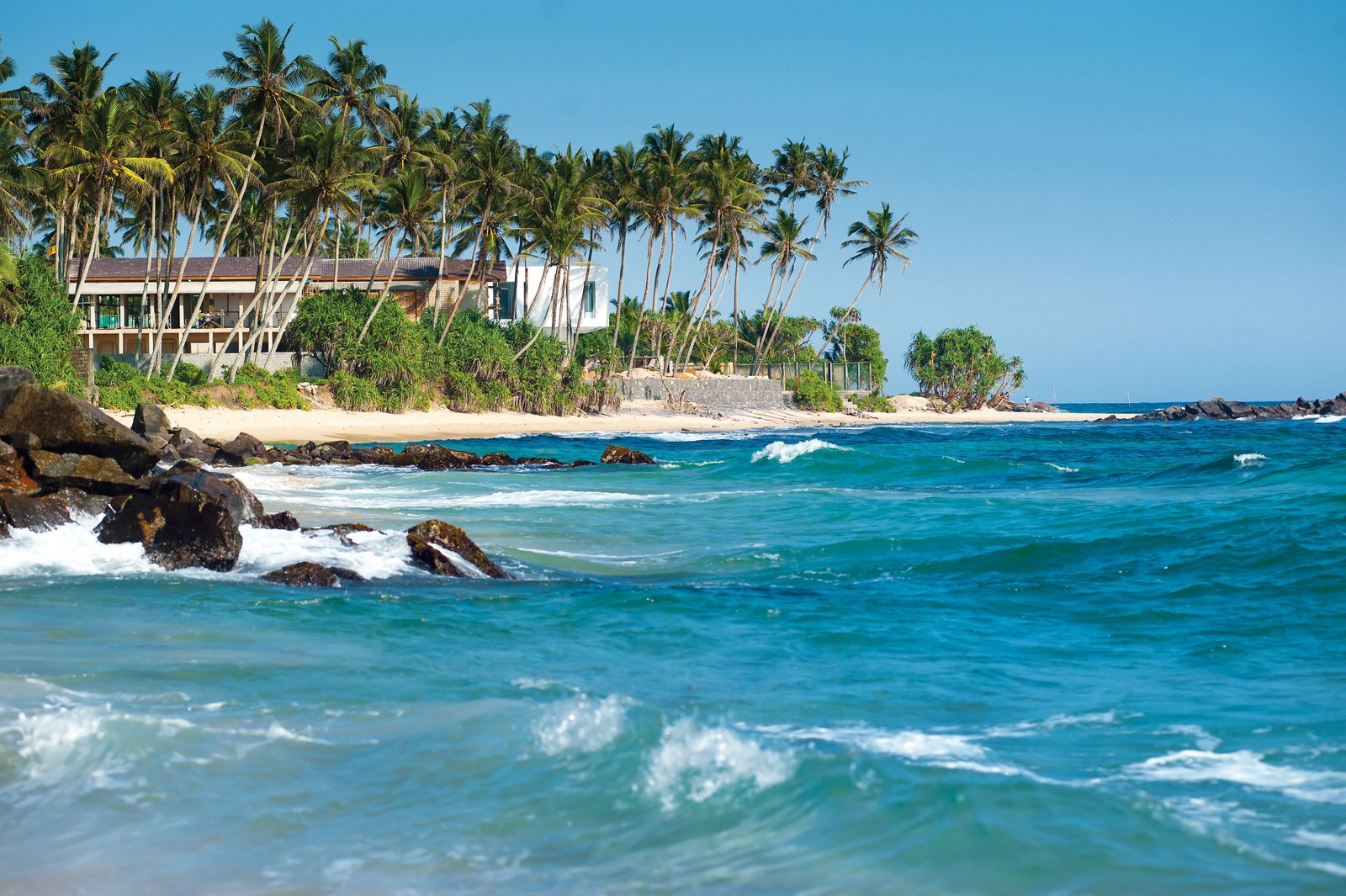
The sea around Sri Lanka is powerful. Rip currents and strong surf are common, especially during the southwest monsoon on the south and west coasts. Swim at patrolled or recommended beaches, follow local guidance and warning flags, and never swim alone or after dark. The Sri Lanka Tourism Development Authority shares general beach safety guidance.

Weather and landslides
Monsoon rain, localised flooding and occasional hill country landslides are part of travelling in a tropical, mountainous country. Check the season for your coast, keep plans flexible during heavy rain, and follow local advice. Our 365 day Sri Lanka guide shows which coast is best in each month.
Wildlife
Elephants, snakes, monkeys and insects are part of life near parks, trails and rural areas. Keep your distance, never feed animals, and follow your guide inside national parks. Monkeys can be bold around temples and hotels, so keep food and small items out of reach.
Health
Mosquito borne illness such as dengue, stomach upsets, sun and dehydration are the main health concerns. Use insect repellent, drink bottled or filtered water, stay hydrated, and protect yourself from the sun. We do not give medical advice. Speak to a doctor or travel clinic before travelling, and carry travel insurance that covers medical care.
Protests and gatherings
Occasional demonstrations happen, usually in city centres. Avoid large gatherings, check local news, and follow advice from your hotel or driver. These are rarely aimed at visitors, but it is sensible to steer clear.
Safety for solo travellers
Solo travel in Sri Lanka is popular and usually manageable, especially in social, easy to reach areas like Ella, Kandy and the south coast. Share your plans with someone at home, keep copies of your documents, use reputable stays, and keep emergency contacts handy on your phone.
For longer transfers, consider a private driver rather than navigating unfamiliar routes alone. A local contact you can message makes a real difference when plans change, and it is one of the main reasons solo travellers choose a planner. Our slow travel guide shows how a calmer pace suits solo exploration.
Safety for women travelling solo
Many women travel through Sri Lanka alone and enjoy it. At the same time, it is honest to say that unwanted attention, staring, catcalling and in some cases harassment do happen, especially in crowded places, on buses and trains and on some beaches at night. Naming this plainly is not meant to frighten, but to help you prepare.
Practical, non blaming tips help a lot. Choose well reviewed and well located stays, use trusted drivers and avoid unmarked transport at night, sit in the women or reserved sections where available on trains and buses, dress modestly at temples and in smaller towns (beach and resort areas are more relaxed), trust your instincts, and avoid isolated beaches and trails after dark. None of this is about blaming the traveller. Harassment is never the traveller fault.
The SL Planner can arrange female friendly stays and private transport on request, and you can share your preferences privately. Knowing someone reliable is a message away is, for many women, the single biggest comfort on a solo trip.

Safety for solo parents and families
Families travel to Sri Lanka happily and often, and with sensible planning it is a wonderful destination for children. Choose family friendly stays with safe pools, gardens and gentle sea access, and pace the trip around children rather than sights.
A few practical points matter. Child seats are not always standard in local vehicles, so parents who need them should ask in advance. Watch heat, sun and hydration, and be careful with food hygiene for young children. Supervise pools and the sea closely, and plan around access to healthcare: larger cities such as Colombo, Kandy and Galle have more medical facilities, while smaller areas may have fewer, so carry travel insurance and keep it accessible.
Slower pacing and fewer bases make family travel far easier, and our slow travel guide shows how. For solo parents, the value of one reliable point of contact and trusted transport is hard to overstate, because it means you are never stranded with children if a plan changes.
Safety for older travellers and different faiths
Different travellers have different needs, and a few honest, respectful notes follow for each.
| Traveller type | Key points |
|---|---|
| Solo traveller | Share your plans, keep copies of documents, use reputable stays, and consider a private driver for longer transfers. Ella, Kandy and the south coast are popular and easy to reach. |
| Solo woman | Many women travel Sri Lanka alone and enjoy it. Choose well reviewed stays, use trusted drivers, sit in reserved sections on trains and buses, dress modestly in smaller towns, and avoid isolated beaches after dark. |
| Solo parent | One reliable point of contact and trusted transport mean you are never stranded with children. Family friendly stays with safe pools and gardens make each base easier. |
| Family with children | Ask about child seats in advance, pace the trip slowly, supervise water closely, and plan around access to healthcare in larger cities. |
| Older traveller | Comfortable pacing, accessible stays and private transport make the island enjoyable without strain, with rest days built in. |
| Muslim and halal conscious traveller | Sri Lanka is multi-faith and halal food is widely available. The SL Planner arranges halal dining and prayer friendly schedules on request. |
For older travellers, comfortable pacing, accessible stays and the option of private transport make the island enjoyable without strain. For Muslim and halal conscious travellers, and travellers of all faiths, Sri Lanka is multi-faith, halal food is widely available in many areas, and The SL Planner plans dining and prayer friendly schedules on request. Our Serendib guide explores the island multi-faith heritage.
How to stay safe in Sri Lanka
A few simple steps cover most of what keeps travellers safe in Sri Lanka. Follow these and you will have handled the majority of risks before you even land.
Check current official travel advisories before you book
Read your own government travel advisory for Sri Lanka before booking, and again before you travel, because advice can change.
Buy travel insurance that covers medical care and cancellations
Take out travel insurance that covers medical care, evacuation and cancellations, and carry proof of it with you.
Use reputable stays, drivers and guides, and agree prices in advance
Book well reviewed accommodation, use trusted drivers and guides, and agree all prices before you set off.
Keep copies of documents and emergency numbers saved on your phone
Save copies of your passport, insurance and emergency numbers on your phone, and leave copies with someone at home.
Be careful with sea, roads and wildlife, and follow local advice
Swim at patrolled beaches, drive or ride carefully, keep distance from wildlife, and follow local guidance and warning flags.
Stay in touch with someone and share your itinerary
Share your itinerary with someone at home, check in regularly, and keep a local contact reachable through your trip.
Emergency numbers in Sri Lanka
- Police emergency: 119
- Ambulance service: 1990
- Tourist hotline: 1912
Please verify each number against official sources before you travel, as services and contact details can change.
How The SL Planner reduces risk
Safety is something built into how we plan, not just something we advise. From the first stay to the last transfer, we choose vendors, drivers and partners carefully and stay reachable through the trip. No trip is risk free, but a well planned one carries far less.
Routes with sensible drive times
Itineraries built around realistic travel times, with rest days and backup options so the journey never feels stretched.
Stays chosen through personal knowledge
Hotels, villas and homestays selected through direct contact and reviews, not just online listings, and checked for responsiveness.
Vetted drivers and vehicles
Drivers vetted before working with our travellers, including checks on licences and vehicles, with clear guidelines on conduct and respect.
Trusted local and ground partners
Agencies and ground partners we know, including in Singapore and the Gulf, with their reliability confirmed before any handover.
Female friendly and family aware planning
Female friendly stays, private transport and family needs arranged on request, with preferences handled privately.
One point of contact throughout
A single team that stays reachable if plans change or something goes wrong, from arrival to the last transfer.
What we screen and how
Here is exactly what we screen, and how. We use only the checks listed here, and we do not claim that every risk is removed or that any trip is guaranteed safe.
| Area | What we screen and how |
|---|---|
| Vendor screening (hotels, villas, transport, activity providers) |
|
| Driver and employee screening (our team and the people who work with you) |
|
| Partner screening (agencies, local partners and ground partners) |
|
On trip support matters as much as screening. You have one point of contact throughout your journey, a team that stays reachable if plans change or something goes wrong, and itineraries that include sensible drive times and backup options. No trip is risk free, but a well planned one carries far less.
What our travellers say
Travellers tell us that knowing someone is there made the difference. This is a message we received after a journey, shared here with permission and without editing.
“Meticulously planning every moment” Mert, Turkey
I would like to express my sincere gratitude to Nashath and his team. For meticulously planning every moment of what could be considered a long vacation, for staying in touch throughout the trip, and for being available whenever we had a question. I would also like to thank him for introducing us to our reliable driver. In summary, Nashath and his company, whom I met on Instagram and wrote to, played a huge role in making our vacation unforgettable. We are so glad you are there.
Want the same peace of mind on your trip? Tell us your dates and we will build a safe, comfortable journey.
What to pack and prepare
A little preparation goes a long way. Carry your passport, travel insurance and copies of both, a basic first aid kit, sun protection, insect repellent, modest clothing for temples, a small day bag, and any personal medication you need. Confirm the current electronic travel authorisation or visa requirement for your nationality through official sources before you travel, and check current entry rules close to your departure date.
For scenic rail journeys, our train rides guide covers what to expect and how to book. And for a calmer, lower-stress pace, our slow travel guide shows how fewer bases and longer stays make any trip easier to manage.

Frequently asked questions
Is Sri Lanka safe for tourists right now?
Sri Lanka is a popular destination that welcomes millions of visitors and is generally considered manageable for most travellers, but like anywhere it carries risks such as petty crime, scams, road and sea hazards and seasonal weather. Conditions and official advice change, so check your own government travel advisory before booking and during travel.
Is Sri Lanka safe for solo female travellers?
Many women travel through Sri Lanka alone and enjoy it, though unwanted attention, staring and occasional harassment can happen, especially in crowded places, on buses and trains and on some beaches at night. Choosing well reviewed stays, using trusted drivers, sitting in reserved sections and dressing modestly in smaller towns all help. Harassment is never the traveller fault.
Is Sri Lanka safe for families with children?
Yes, with sensible planning. Choose family friendly stays with safe pools and sea access, ask about child seats in advance, supervise water closely, pace the trip slowly, and plan around access to healthcare in larger cities such as Colombo, Kandy and Galle. Travel insurance is strongly recommended.
Is it safe to take tuk tuks and trains?
Yes, with care. Agree tuk tuk fares in advance or use metered or app based rides, and avoid unmarked transport at night. Trains are generally safe and scenic; sit in the women or reserved sections where available, keep valuables close, and book popular seats such as Kandy to Ella in advance.
What should I do in an emergency?
Call the general police emergency number on 119, the ambulance service on 1990, or the tourist hotline on 1912. Verify each number against official sources before you travel, keep them saved on your phone, and contact your travel insurance provider and your hotel for support.
Is it safe to swim in Sri Lanka?
It can be, but the sea is powerful. Rip currents and strong surf are common, especially during the southwest monsoon on the south and west coasts. Swim at patrolled or recommended beaches, follow local guidance and warning flags, and never swim alone or after dark.
How does The SL Planner help keep travellers safe?
Safety is built into how we plan, not just what we advise. We screen vendors, drivers and partners, build routes with sensible drive times and backup options, and stay reachable through the trip as one point of contact. No trip is risk free, but a well planned one carries far less.
Plan a safe Sri Lanka journey
Feeling looked after is what lets you actually enjoy the island. When the route is sensible, the drivers are vetted, the stays are trusted and someone is a message away, you stop worrying and start experiencing Sri Lanka the way it is meant to be felt.
Tell us your dates, your group and anything that would help you feel comfortable, and we will come back with a route, trusted stays and the honest advice you need to decide. You can also contact us directly, or explore more ideas in our Through the Lens guides.
Last updated: October 25, 2026. Conditions and official advice change, so please check current advisories before booking and during travel. For official island wide guidance, the Sri Lanka Tourism Development Authority publishes destination information.