Sri Lanka's culture is a rich tapestry woven from over 2,500 years of history, deeply influenced by Buddhism, Hinduism, and centuries of colonial rule. Understanding these cultural nuances will profoundly enrich your travel experience.
Religion in Daily Life
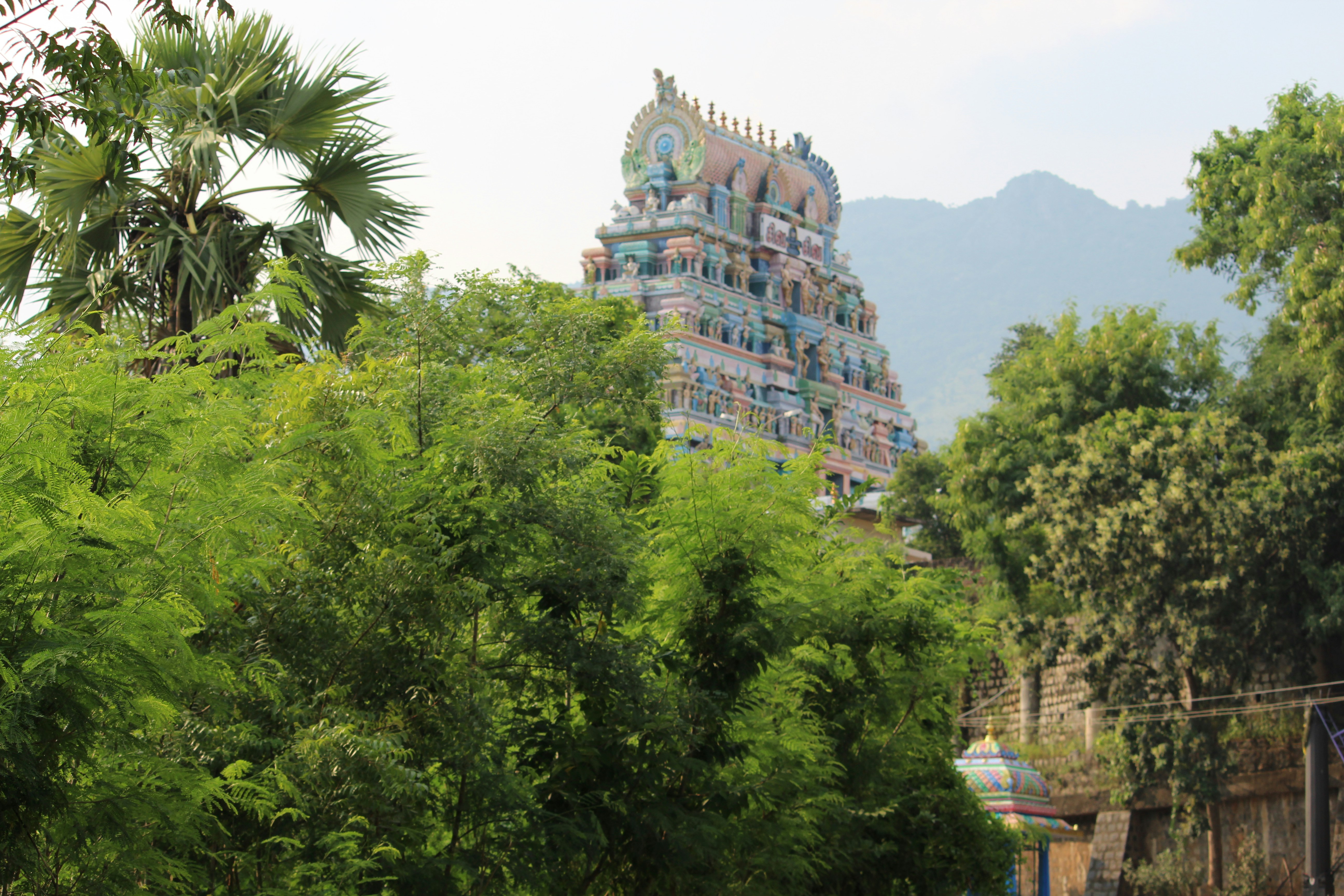
Religion plays a central role in Sri Lankan society. The majority of the population is Theravada Buddhist, but there are significant Hindu, Muslim, and Christian communities. You'll see temples, kovils, mosques, and churches often standing side-by-side. Poya days (full moon days) are national holidays dedicated to Buddhist observance, during which the sale of alcohol and meat is restricted.
The Traditional Greeting
The traditional Sri Lankan greeting is "Ayubowan," which translates to "May you live long." It is accompanied by pressing the palms together in a prayer-like gesture in front of the chest, accompanied by a slight bow. Using this greeting is a wonderful way to show respect to locals.
Food Culture
Rice and curry is the staple meal, but it's far more complex than it sounds. A typical meal consists of a large mound of rice surrounded by various vegetable, meat, or fish curries, sambols (like the spicy coconut pol sambol), and papadums. Traditionally, Sri Lankans eat with their right hand, mixing the flavors together.
Festivals and Celebrations
Sri Lanka has a calendar packed with festivals. The Sinhala and Tamil New Year in April is a time of family gatherings and traditional games. Vesak in May celebrates the birth, enlightenment, and death of the Buddha, with streets illuminated by colorful lanterns. The Esala Perahera in Kandy (July/August) is one of Asia's most spectacular pageants.
Respectful Travel Practices
- The Head and Feet: The head is considered sacred, so avoid touching people on the head. The feet are considered impure; do not point the soles of your feet at people or religious statues.
- Photography: Always ask permission before photographing locals, especially monks. Never pose beside or in front of a Buddha statue for a photo.
- Public Affection: Public displays of affection are frowned upon in Sri Lankan culture.